164
Installed Linux for the fist time in Feb, I've now started saving ISO's
(media.piefed.social)
So it begins.
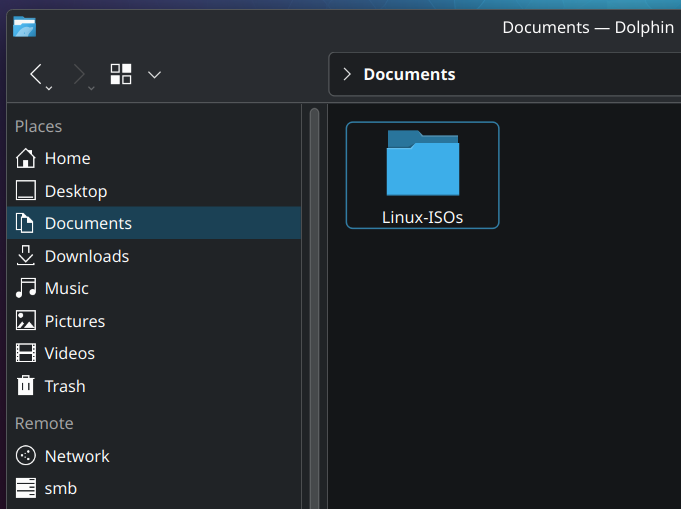
I've been flashing my USB often enough that it's now worth it to keep all my ISO's neatly to use them when I need them. I plan on buying 10 USB sticks to just have ready when ever I need a specific version.
I'm visiting family now, so time to upgrade their Linux Mint to Kubuntu
Don't "upgrade" to Kubuntu. I'm on it and want to upgrade away because Ubuntu. Fedora Kinoite is probably the best bet if you want KDE for a tech novice.
KDE is really annoying though. Kate is a horrible text editor if you're not a programmer, and Kwrite has weird default shortcuts without any preconfigured "Gnome/Windows style" available. The Dolphin File Explorer doesn't allow you to sort and group by different things. And Kparted isn't as easy to use as Gnome Disk Utility. Still, I like how KDE had better themes than Cinnamon and how it actually lets me move programs to different categories in the start menu.
https://media.ccc.de/v/5012-the-first-encrypted-steam-deck-runs-opensuse#t=0
OpenSUSE is better than Fedora
I tried OpenSUSE and I ran into various issues installing software. Plus the immutable variant of OpenSUSE is an external project IIRC.
Yep, suse is cool, the default firewall config is way more restricted (safer but annoying at times). Dbeaver can't install some essential depends for some reason and shotcut is missing some features (I could try fixing it but for now I just use appimages). It is way more stable than fedora or arch, even if I sometimes forget to upgrade it for months.