284
you are viewing a single comment's thread
view the rest of the comments
view the rest of the comments
this post was submitted on 21 Apr 2026
284 points (98.0% liked)
Climate
8572 readers
668 users here now
Discussion of climate, how it is changing, activism around that, the politics, and the energy systems change we need in order to stabilize things.
As a starting point, the burning of fossil fuels, and to a lesser extent deforestation and release of methane are responsible for the warming in recent decades:
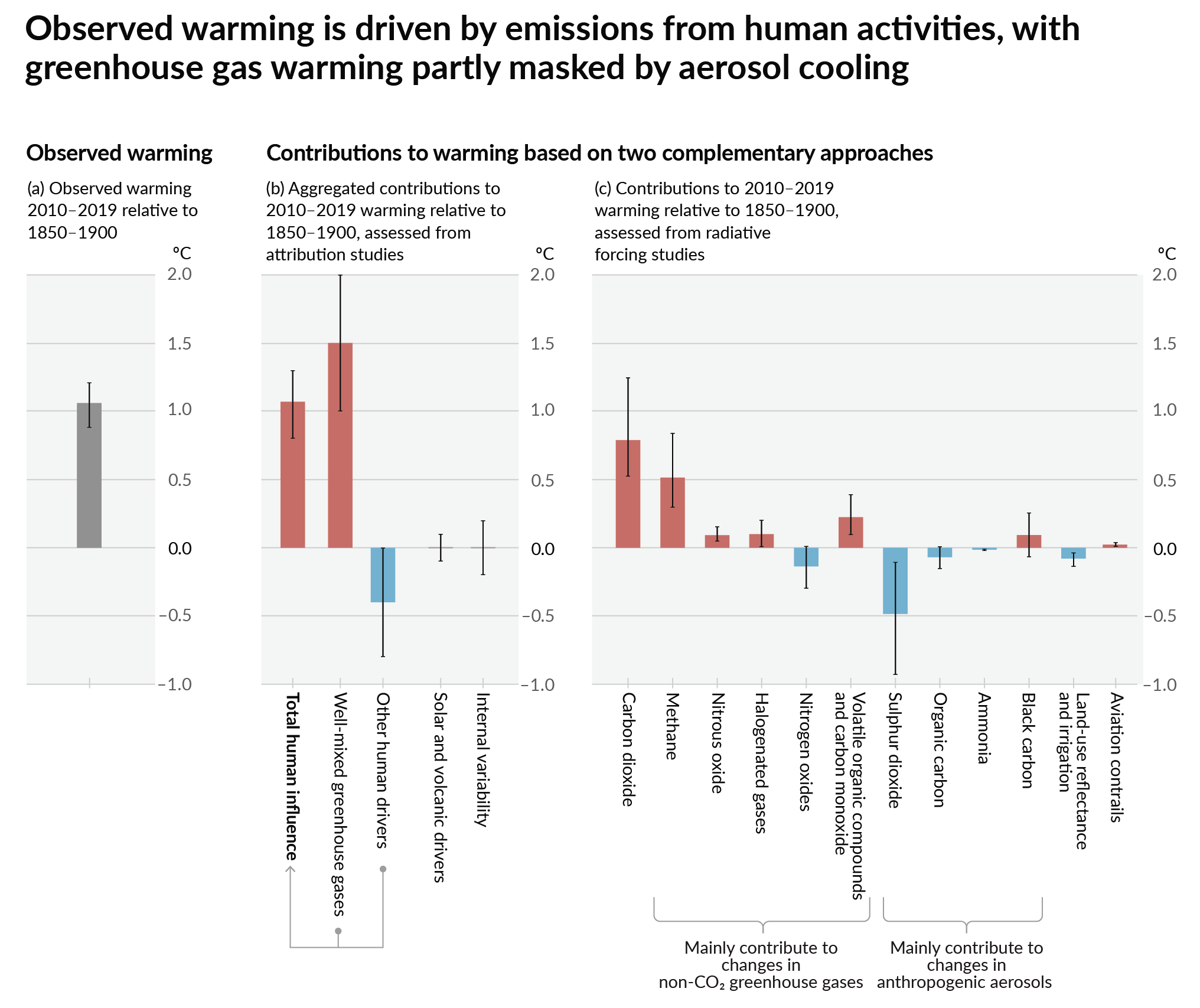
How much each change to the atmosphere has warmed the world:
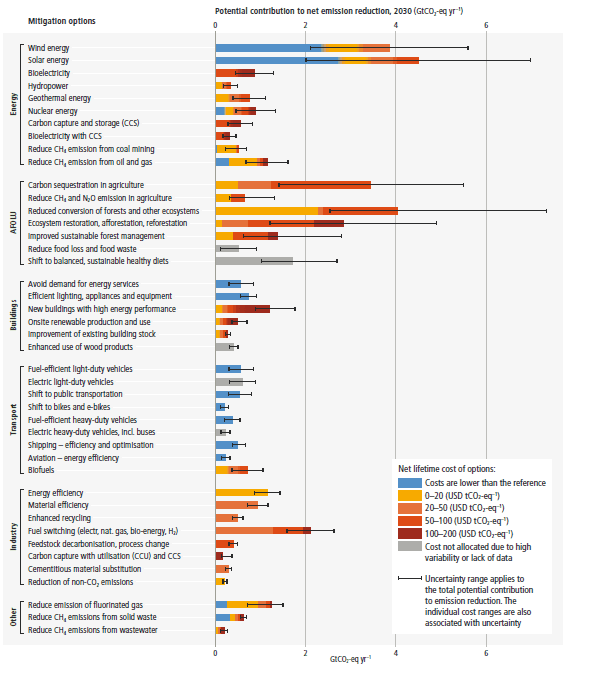
Recommended actions to cut greenhouse gas emissions in the near future:
Anti-science, inactivism, and unsupported conspiracy theories are not ok here.
founded 2 years ago
MODERATORS
What America does is not really that important, because America does have sufficient fossil fuel production to satisfy its own energy needs. It has an incentive to continue using fossil fuels, simply because it produces them.
I think it's much more important what the big economies do that don't have that option: Europe, China, India, Africa. They should have electrified a long time ago, but haven't because of a host of reasons, mostly the cost of switching technologies.
A sudden supply shock like this can make you quickly forget costs of switching. Sort of like a catalyst in chemistry: closing the Strait of Hormuz is a little like putting platinum in your exhaust pipe, it makes things happen that wouldn't otherwise (including making them less polluting).
It's worth pointing out that China in particular uses an enormous amount of coal.
Electrification is good, as both a bridge to cleaner energy and as a way to reduce dispersed pollution from many different fossil fuel sources (like almost every vehicle on the road). But electrification is only one step that needs to happen. The other is to decarbonize the grid itself.
So China burns more coal than anyone else in the world (with India at the number 2 spot), and is dramatically increasing its renewable power generation, but the overall increase in overall energy and their strategic interest in energy security and energy independence has them continuing to not only mine coal, but to continue constructing new coal power plants, and to slow down the actual decommissioning of old coal plants.
So although disruption to the global oil market will cause most countries to rely less on fossil fuels, the countries with domestic production of fossil fuels (Chinese coal, American oil) won't feel the pressure as much.
Very true. There, we can only hope the realization comes in that modern renewables are cheaper than even local fossil fuels.
Yes, the oil crisis in the 1970s lead to development of more fuel efficient cars and even the first investments in wind and solar power.