16

Archived version

The state-run ISNA news agency reported on Sunday, January four, quoting the director general of Iran’s Water Information and Data Office, that the country’s water resources remain in a fragile condition due to the continuation of multi-year droughts.

According to Firouz Ghasemzadeh, the recent rainfall has had only temporary effects and is not capable of compensating for the accumulated deficit caused by several consecutive years of drought in Iran.

According to this report, precipitation in the current water year has increased by 11% compared to the long-term average and by 76% compared to last year.

...

Nevertheless, the provinces of Tehran and Alborz have experienced the largest decline in rainfall, with a decrease of more than 70% compared to the long-term average.

...

The reservoirs of dams in the provinces of Tehran, Isfahan, Razavi Khorasan, Qom, Zanjan, and Markazi are in unfavorable conditions, and the supply of drinking water in cities dependent on these sources faces limitations; therefore, water consumption management remains a serious necessity in the country.

no comments (yet)
sorted by: hot top controversial new old
there doesn't seem to be anything here
this post was submitted on 05 Jan 2026
16 points (94.4% liked)

Climate

8570 readers
817 users here now

Discussion of climate, how it is changing, activism around that, the politics, and the energy systems change we need in order to stabilize things.

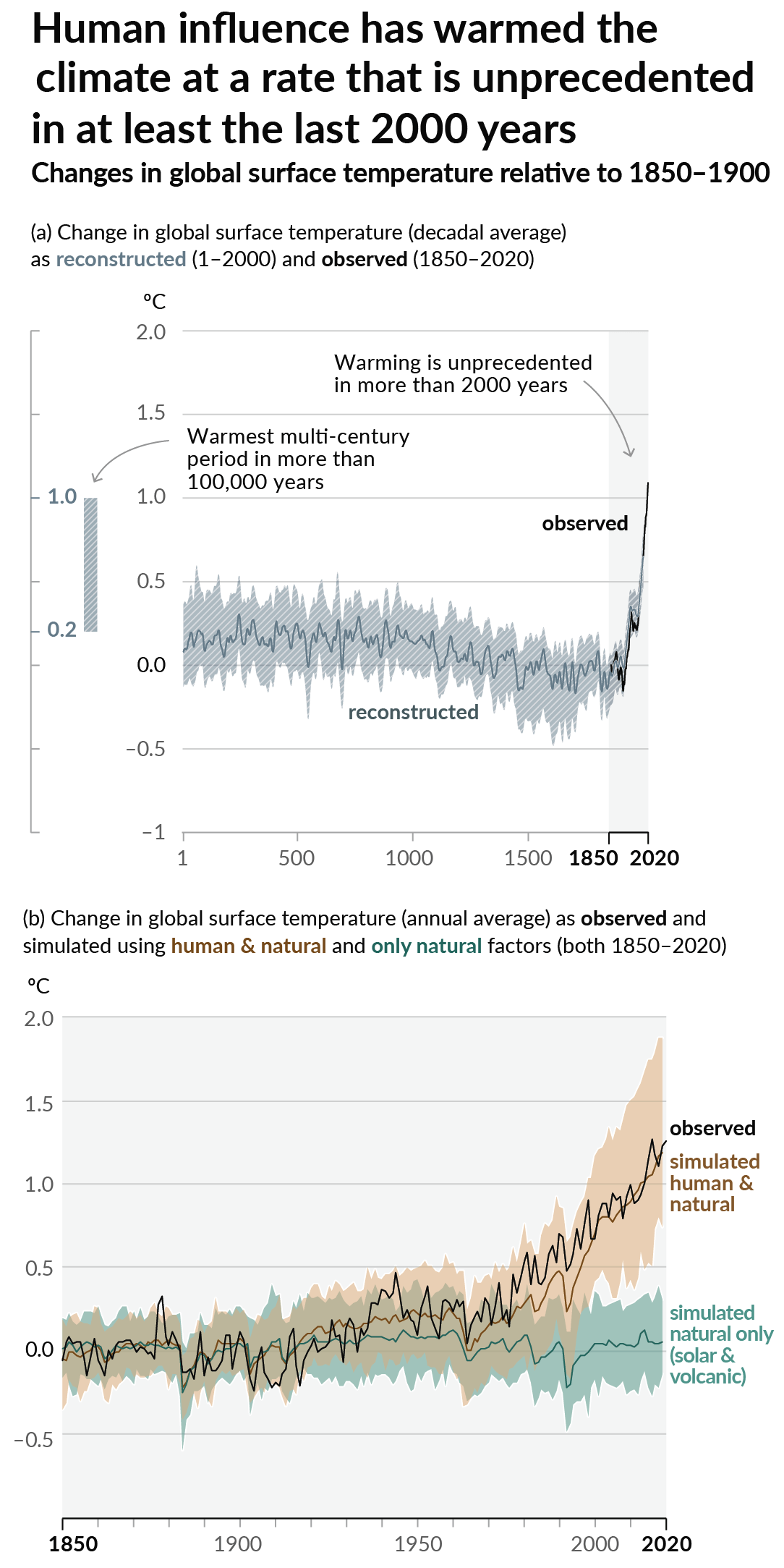
As a starting point, the burning of fossil fuels, and to a lesser extent deforestation and release of methane are responsible for the warming in recent decades: Graph of temperature as observed with significant warming, and simulated without added greenhouse gases and other anthropogentic changes, which shows no significant warming
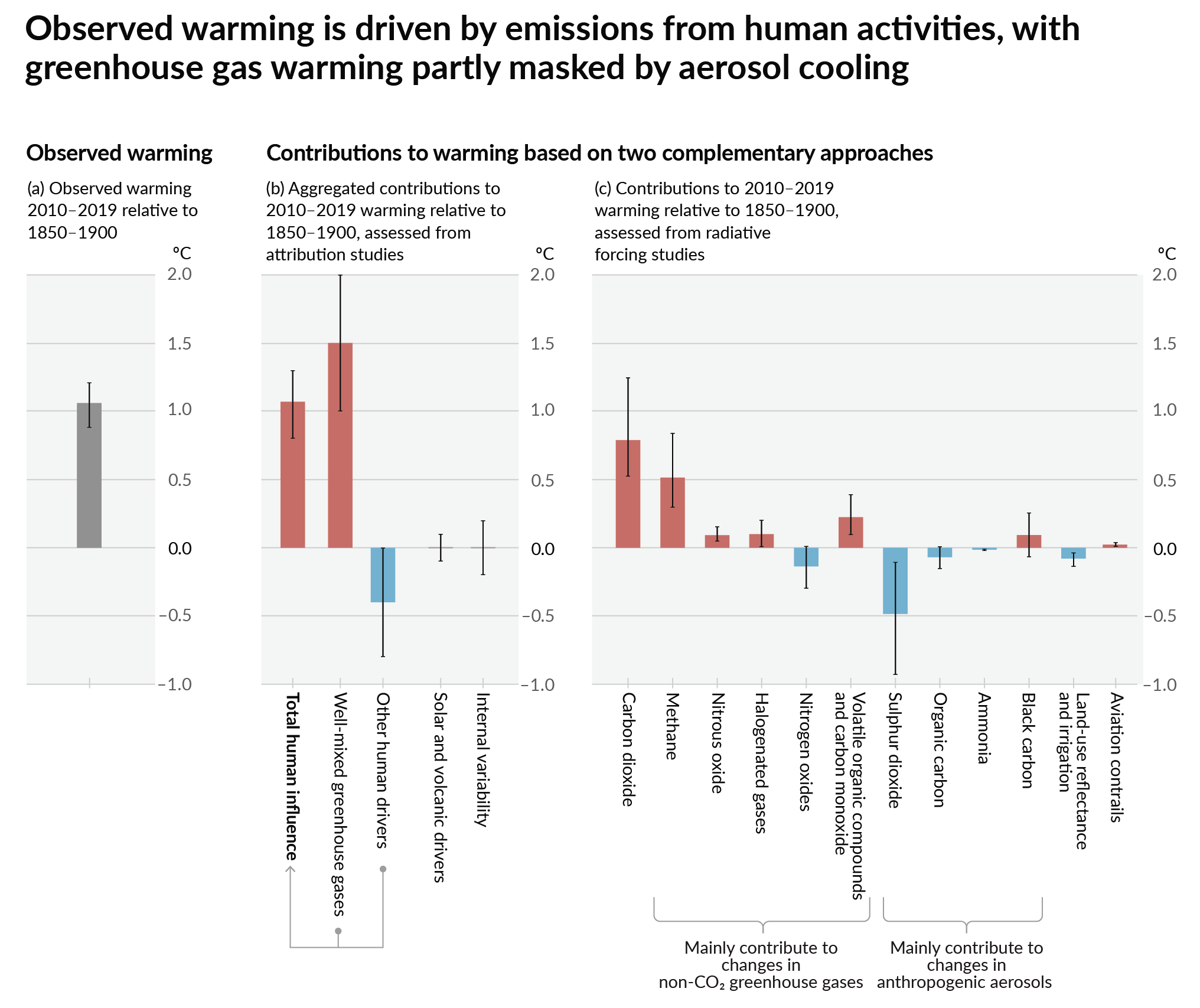
How much each change to the atmosphere has warmed the world: IPCC AR6 Figure 2 - Thee bar charts: first chart: how much each gas has warmed the world.  About 1C of total warming.  Second chart:  about 1.5C of total warming from well-mixed greenhouse gases, offset by 0.4C of cooling from aerosols and negligible influence from changes to solar output, volcanoes, and internal variability.  Third chart: about 1.25C of warming from CO2, 0.5C from methane, and a bunch more in small quantities from other gases.  About 0.5C of cooling with large error bars from SO2.
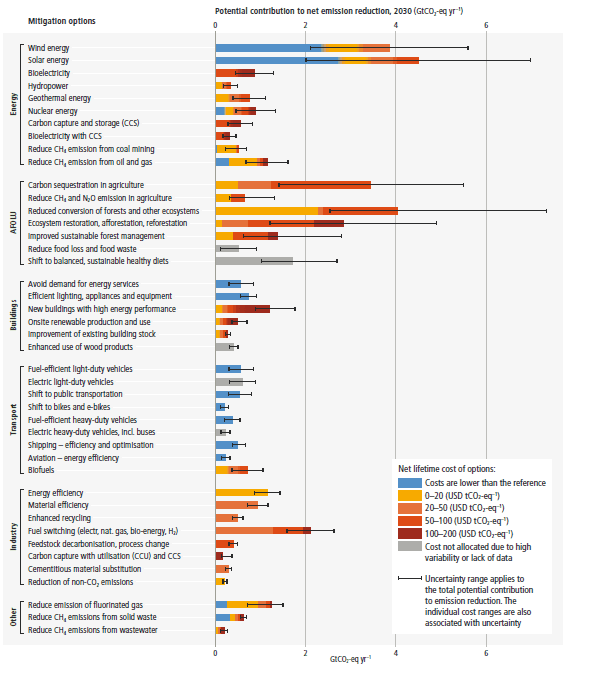
Recommended actions to cut greenhouse gas emissions in the near future:
Anti-science, inactivism, and unsupported conspiracy theories are not ok here.

founded 2 years ago
MODERATORS