18

For years, countries have told the United Nations how much methane they emit using a kind of bottom-up bookkeeping: Count the cows and oil barrels, estimate the volume of trash, and multiply by standard emission factors. Those ledgers can miss the mark, suggest measurements from aircraft and satellites. But the tools to translate that data into national emissions estimates have largely remained the domain of specialists. A team at Harvard is changing that. In a recent Nature Communications paper, the researchers describe Integrated Methane Inversion (IMI), an open-access system designed to let governments, researchers and civil society independently evaluate national methane claims against what satellites detect in the atmosphere, year after year.

Map generated with the tool described is available here: https://worldwidemethaneemissions.com/

no comments (yet)
sorted by: hot top controversial new old
there doesn't seem to be anything here
this post was submitted on 13 Jan 2026
18 points (100.0% liked)

Climate

8314 readers
470 users here now

Discussion of climate, how it is changing, activism around that, the politics, and the energy systems change we need in order to stabilize things.

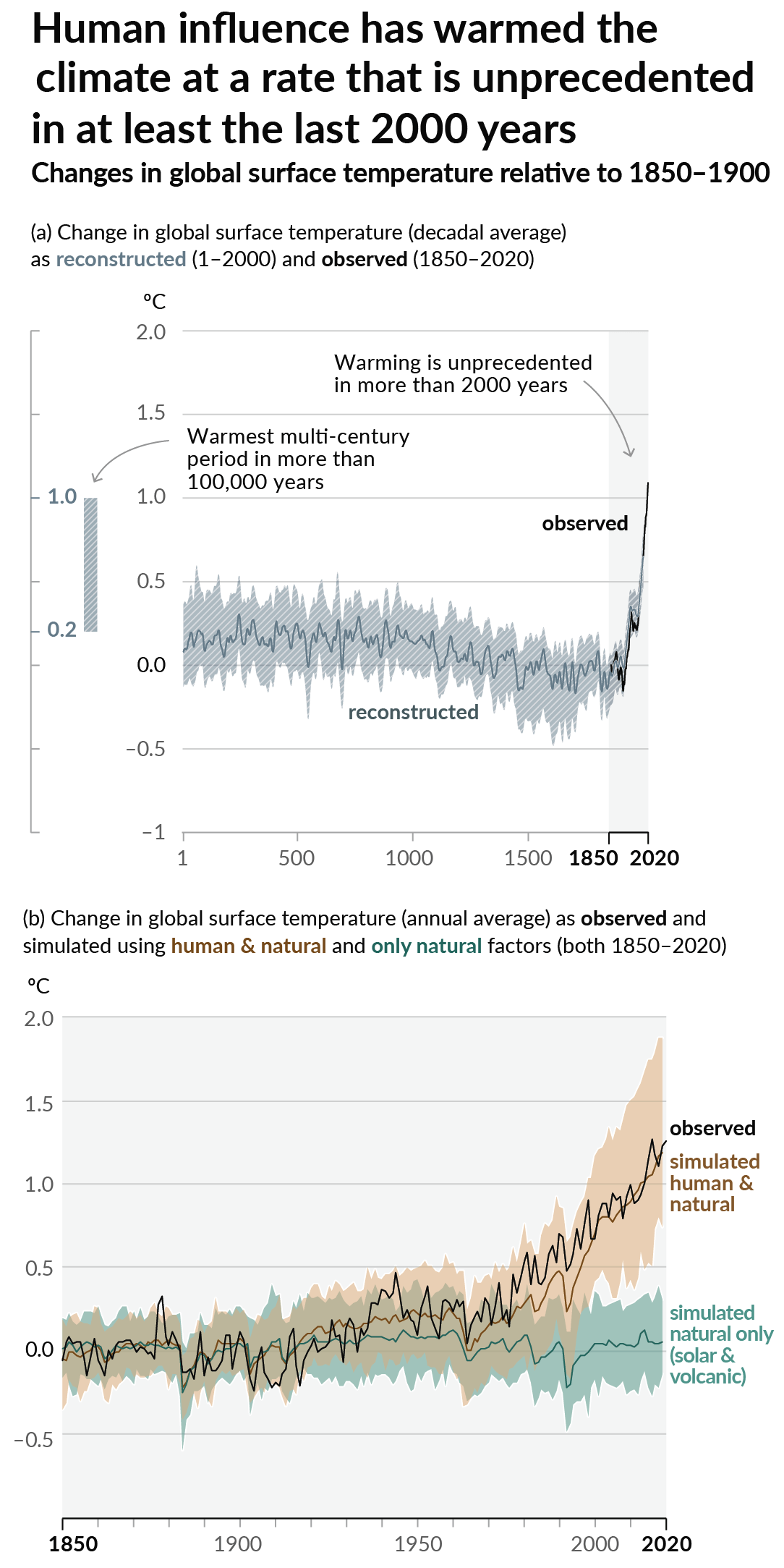
As a starting point, the burning of fossil fuels, and to a lesser extent deforestation and release of methane are responsible for the warming in recent decades: Graph of temperature as observed with significant warming, and simulated without added greenhouse gases and other anthropogentic changes, which shows no significant warming
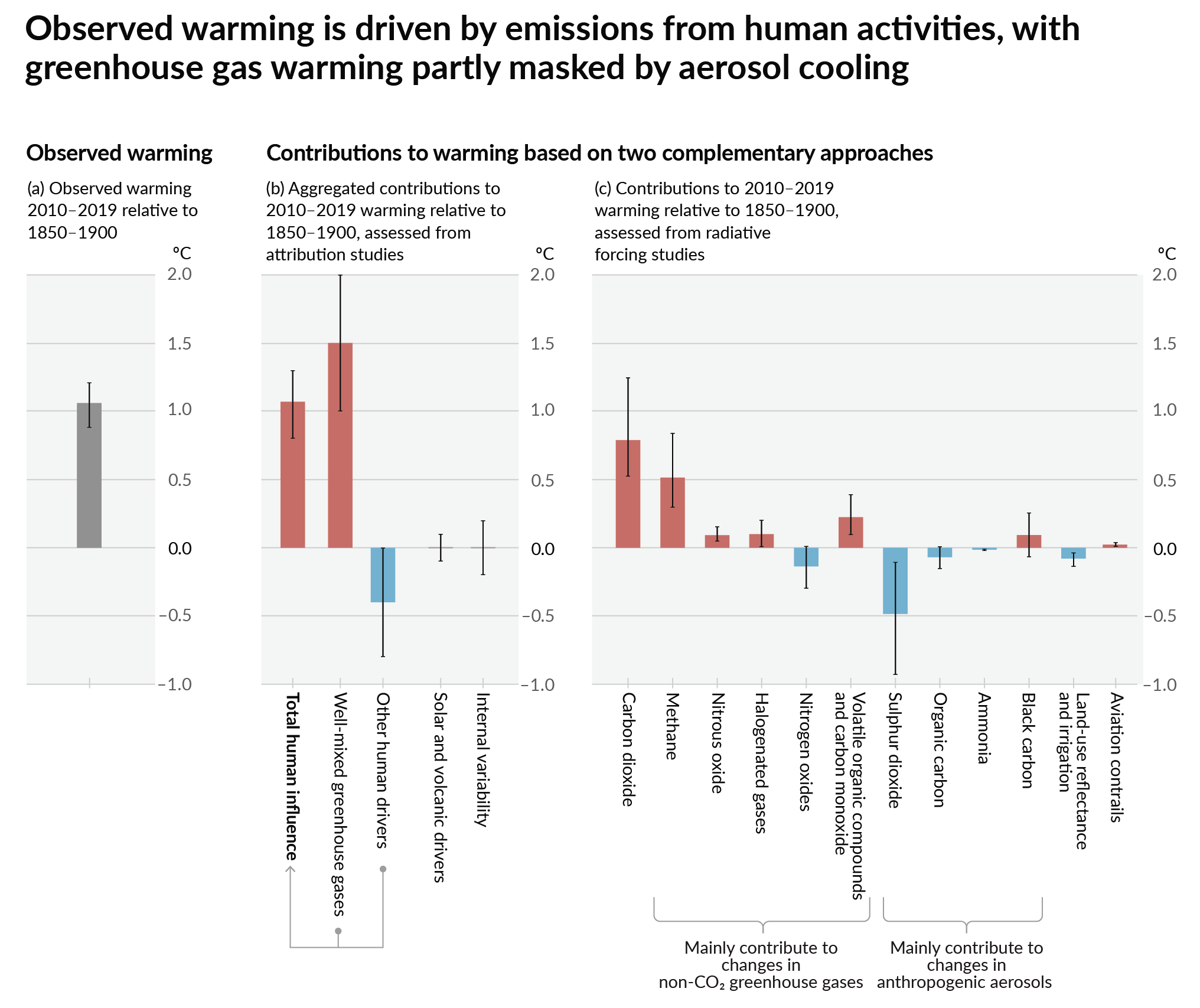
How much each change to the atmosphere has warmed the world: IPCC AR6 Figure 2 - Thee bar charts: first chart: how much each gas has warmed the world.  About 1C of total warming.  Second chart:  about 1.5C of total warming from well-mixed greenhouse gases, offset by 0.4C of cooling from aerosols and negligible influence from changes to solar output, volcanoes, and internal variability.  Third chart: about 1.25C of warming from CO2, 0.5C from methane, and a bunch more in small quantities from other gases.  About 0.5C of cooling with large error bars from SO2.
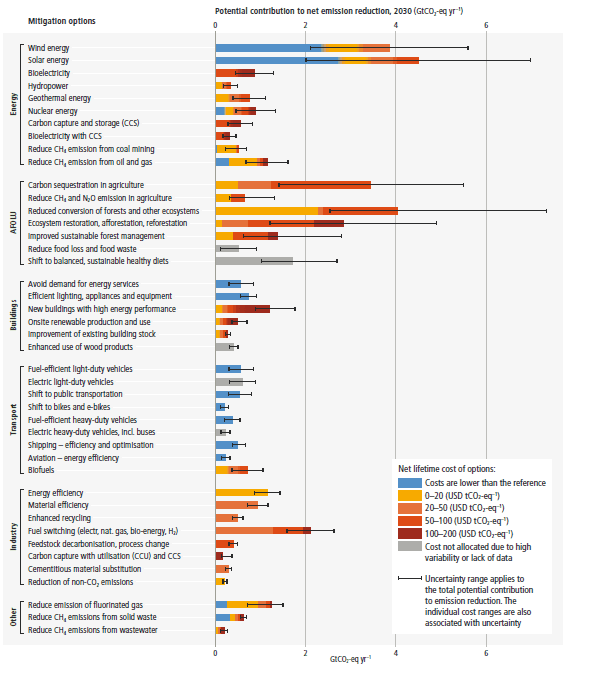
Recommended actions to cut greenhouse gas emissions in the near future:
Anti-science, inactivism, and unsupported conspiracy theories are not ok here.

founded 2 years ago
MODERATORS