63
Nearly half of homeowners want to relocate because of climate-related concerns
(www.independent.co.uk)
In many US regions, home insurance is no longer an option, or so expensive people are raw dogging it.
I wonder how many of those people are significantly reducing their carbon footprint & voting for environmental policies. It's going to be a lot easier for everyone to find not-disaster-prone locations to move to if we reduce the trajectory towards apocalypse even a little.
It’s intriguing to an outsider that climate denial appears to be so prominent in the USA, whereas the average US American reacts directly to the threat. It would be refreshing if this fear would for once precipitate in the elections.
If you look at what Republican leadership is doing (not saying), they absolutely believe climate change is a threat. They're reacting to it with dystopian measures, but it's clear they're just playing dumb.
Nope. Climate change is incremental and people will just habituate to the new normal. 90% of Florida oranges are gone due to disease, they will just forget about oranges.
Is that why real orange juice is expensive now? I feel like it was cheap when I was a kid but for quite awhile it’s been out of range for my grocery budget
According to Wikipedia, Kin
provides home insurance in Florida, Alabama, Arizona, Georgia, Louisiana, Mississippi, South Carolina, Tennessee, Texas, and Virginia
Sounds like the areas voting for things to get worse...
Kin is good. I know people that work and have worked there. Florida is very limited on options, so it’s nice to have more safety nets.
They certainly seem like the people to know who is wanting to move somewhere with less climate chaos!
But they're gonna continue to consoom and drive their individual giant SUVs everywhere. Don't worry they will be electric so buy buy buy.
Anyway, AI running in datacenters powered by fossil fuel will surely find a technological solution to our consumption problems.
Surely we can't just stop consooming.
And don't forget to recycle!
The ethics and impact of migration is a real concern. If we just take overextraction and overconsumption and move it somewhere else, we're not solving anything. (For example, if we take a region that has a lot of freshwater/biodiversity/arable land and just pave it over.)
I want to start having more discussions about this as migration goes mainstream but there's no feasible way to legislate or enforce it which really worries me.
And all this because we refuse to slow capitalism down. The most important question on everyone's mind when there's elections is the economy and money. We need economic growth. Can't tax billionaires. Can't stop the consumption machine. Economic growth!
The sad thing is that most people are willing to relocate to avoid the effects it will have on them financially. It's not because it could help to mitigate the change; they won't move into a 15 minutes city. We'll just perpetuate the sprawl elsewhere and continue what we have always done before.
It's even more sad when I look at images of natural disasters, and beyond the immediate lost of lives, seeing people lose their things and run (drive) to buy even more things produced by the very system that is causing more frequent and intense natural disasters.
Beyond legislation and enforcement, it's been disappointing to try to explain those things to people around me for decades, hoping they will make the connection, only for them to end up being mad at high gas prices. Also, that survey asks about inside the US only. What if people from one state don't want immigrants from another state? It's gonna be interesting to see when the next inevitable question in a decade or so will be if people are willing to become climate refugees in other countries, and if citizens of other countries are willing to accept them.
Nearly half of homeowners want to relocate
but find it hard because the real estate 'industry' has their hand out. Say goodbye to a significant percentage of value due to middlemen like Kin, coincidentally why you're seeing this.
Discussion of climate, how it is changing, activism around that, the politics, and the energy systems change we need in order to stabilize things.
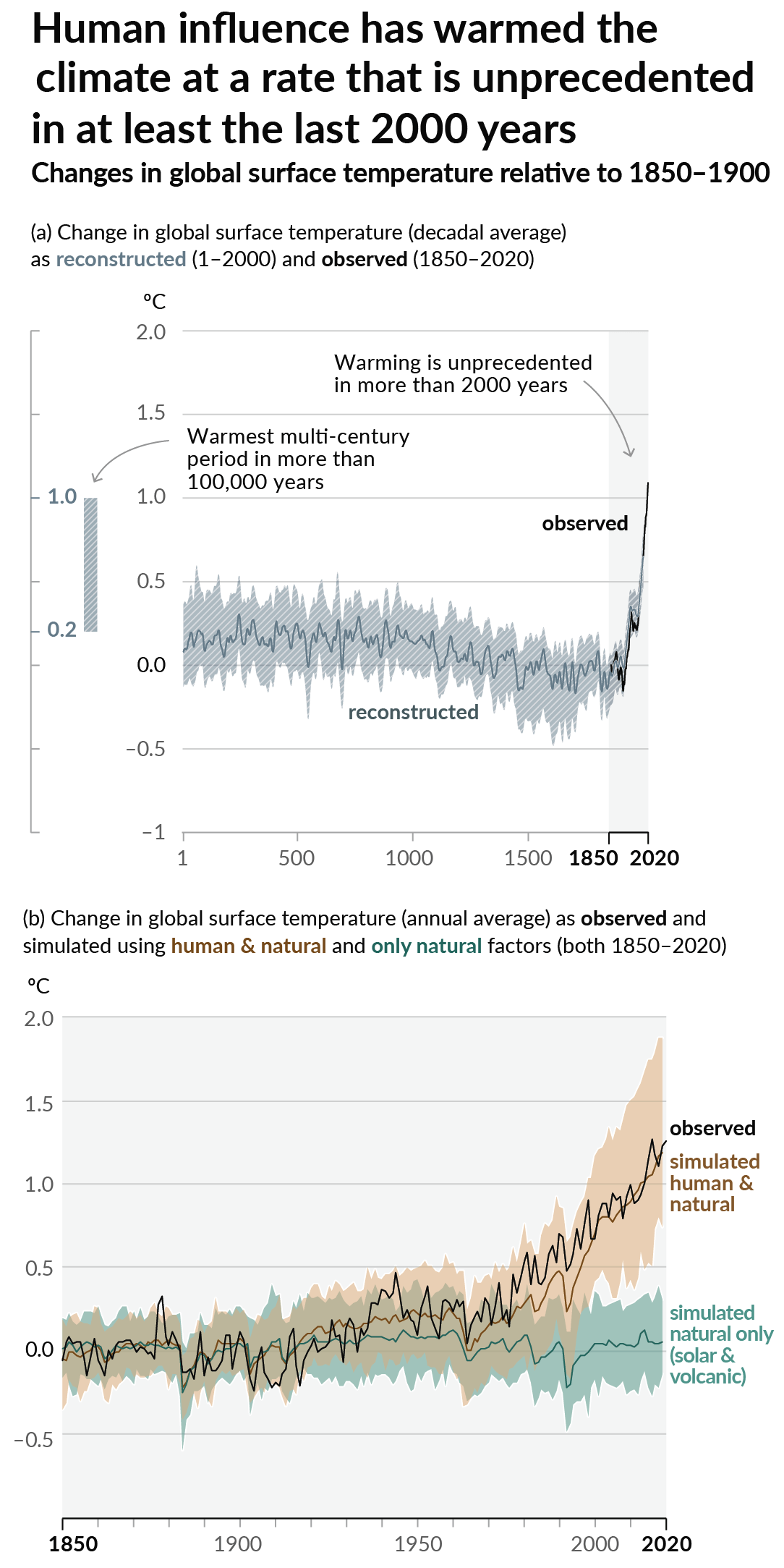
As a starting point, the burning of fossil fuels, and to a lesser extent deforestation and release of methane are responsible for the warming in recent decades:
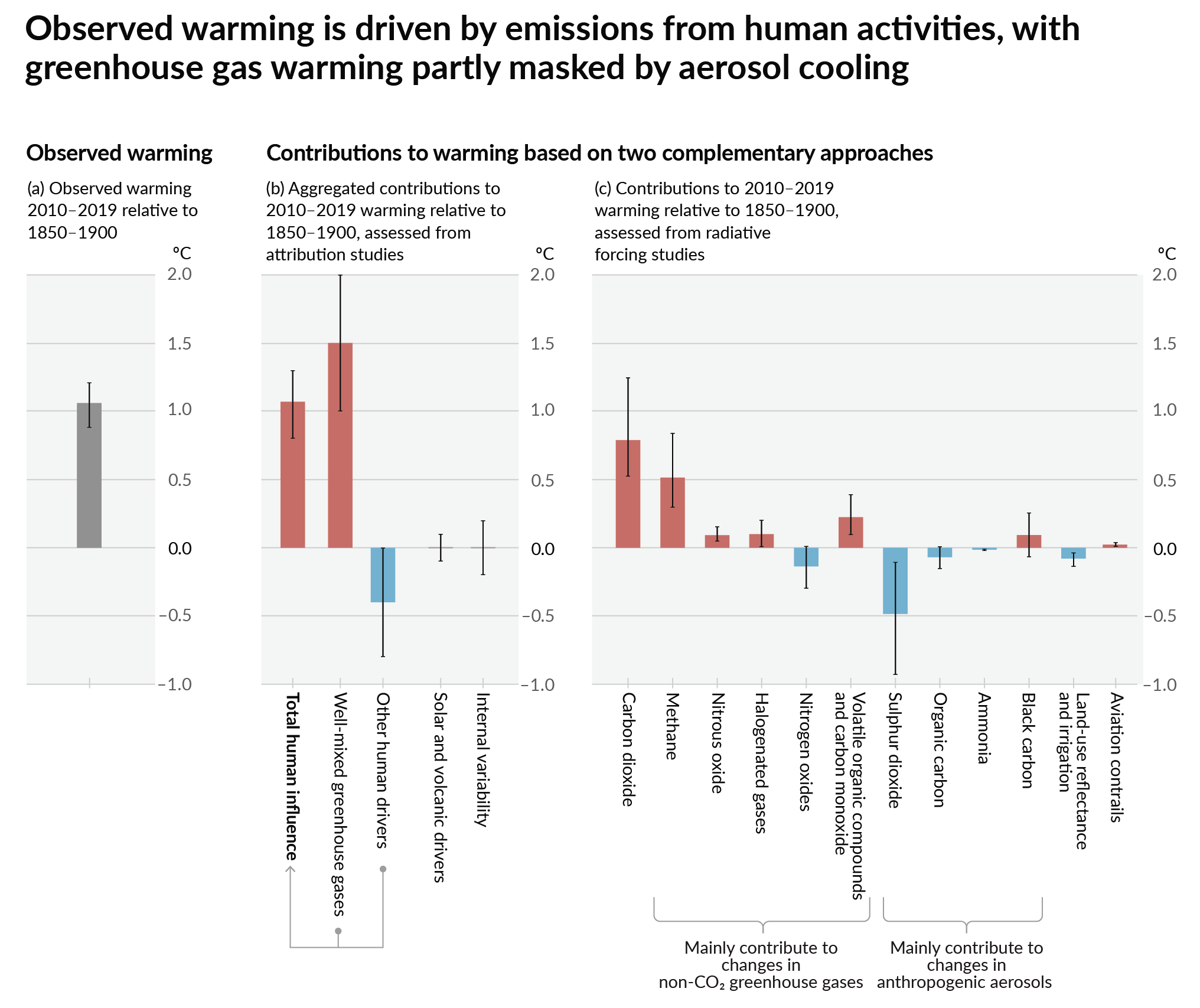
How much each change to the atmosphere has warmed the world:
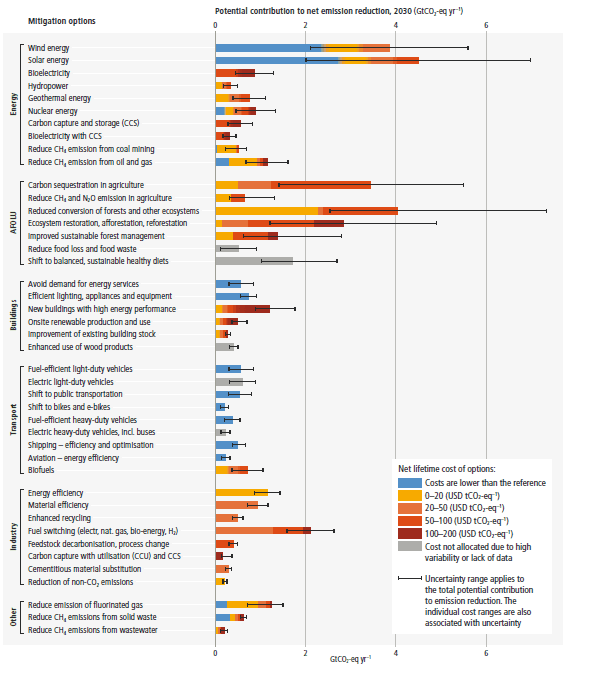
Recommended actions to cut greenhouse gas emissions in the near future:
Anti-science, inactivism, and unsupported conspiracy theories are not ok here.