30
I'm really hoping the trash takes himself out sooner than later.
I'm really hoping the trash takes himself out sooner than later.
He’s an old man who won’t be around for all the disasters he’s caused to destroy his family. A narcissist focused on himself as usual.
HFCs include popular refrigerants such as R-134a, which was introduced as a less bad alternative to CFCs such as R-12, but which has also been superseded by even less bad alternatives such as R-1234yf. This has been good for American manufacturing, as it stimulates turnover in durable goods (expensive) rather than just recharging leaking systems with additional refrigerant (cheap):
Air-conditioning and refrigeration manufacturers had supported the original restrictions, saying less harmful chemicals were available and that a shift toward those alternatives was already underway. The original rule was also seen as a win for American companies like Honeywell and Chemours that produce and sell alternatives to HFCs.
“American manufacturers did what Congress and the first Trump administration asked them to do: They invested in new equipment, new refrigerants, new production lines and American workers,” said John Hurst, the executive director of the Alliance for Responsible Atmospheric Policy, an industry group. “The administration has now changed course in a way that weakens those investments.”
So this move is a combination of environmental middle finger and drag on US GDP, hurting sales of domestic manufacturing.
Allowing Kroger to further limp along their leaking refrigerators will be somewhat meaningful to their bottom line, by delaying capital expenses that they’ve been expecting to incur (and presumably budgeting for). But it’s not going to be meaningful to retail grocery prices.
Consumers owning old vehicles with bad A/C might benefit from being able to buy more R-134a for a bit longer, but that’s not what’s motivating it, since Trump doesn’t care about the little guy.
Discussion of climate, how it is changing, activism around that, the politics, and the energy systems change we need in order to stabilize things.
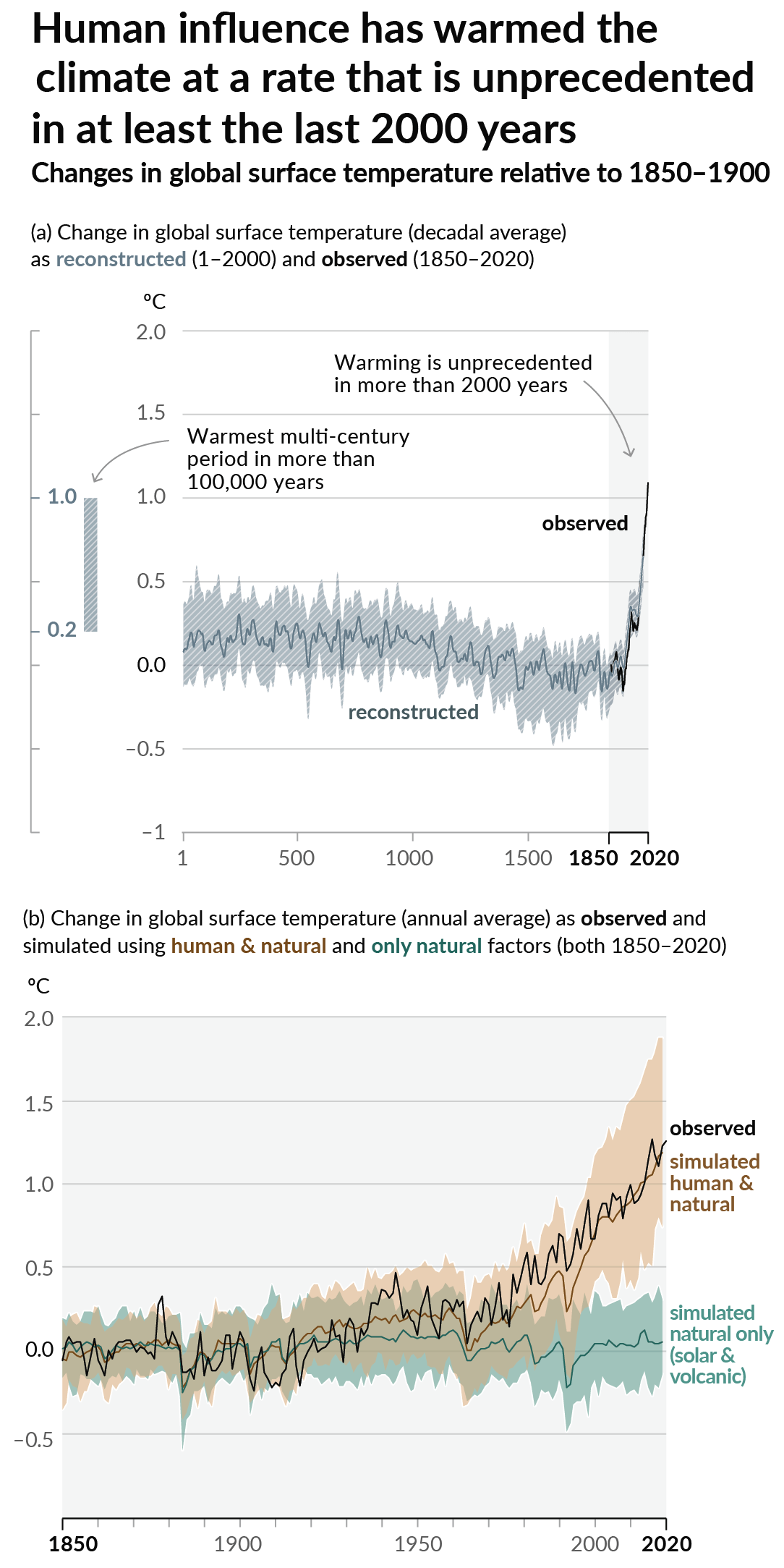
As a starting point, the burning of fossil fuels, and to a lesser extent deforestation and release of methane are responsible for the warming in recent decades:
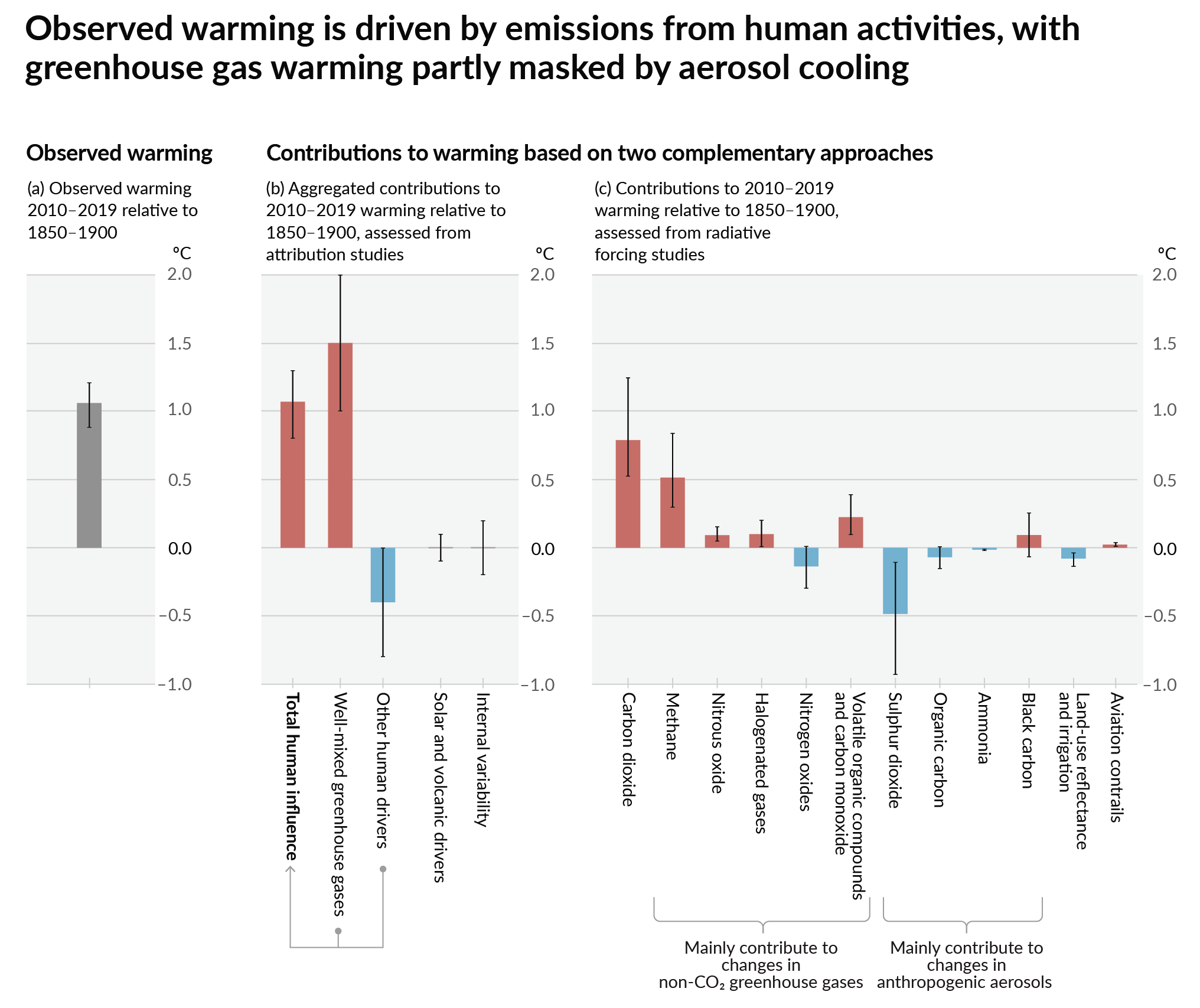
How much each change to the atmosphere has warmed the world:
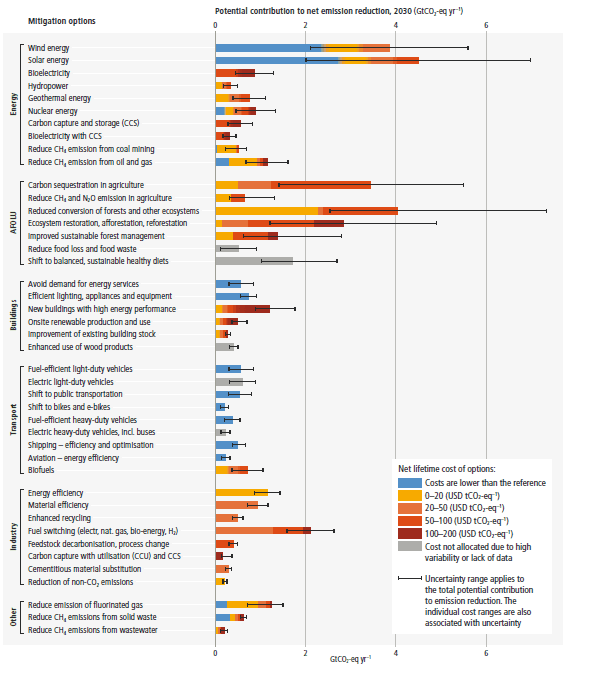
Recommended actions to cut greenhouse gas emissions in the near future:
Anti-science, inactivism, and unsupported conspiracy theories are not ok here.