1
2
submitted 13 hours ago by humanspiral@lemmy.ca to c/economics@lemmy.ml
2
15
submitted 2 days ago by humanspiral@lemmy.ca to c/economics@lemmy.ml
3
2
submitted 6 days ago by yogthos@lemmy.ml to c/economics@lemmy.ml
4
16
5
18
submitted 1 week ago by ooli3@sopuli.xyz to c/economics@lemmy.ml
6
9
submitted 1 week ago by yogthos@lemmy.ml to c/economics@lemmy.ml
7
15
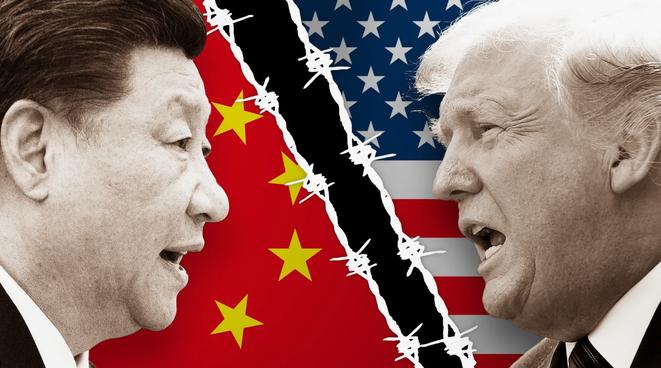
Trump Lost to China (www.nytimes.com)
submitted 1 week ago by yogthos@lemmy.ml to c/economics@lemmy.ml
8
102

Poverty is a policy choice.

9
4
submitted 1 week ago by yogthos@lemmy.ml to c/economics@lemmy.ml
10
5
submitted 1 week ago by dessalines@lemmy.ml to c/economics@lemmy.ml
11
8
submitted 2 weeks ago by yogthos@lemmy.ml to c/economics@lemmy.ml

Zambia’s debt situation has been significantly influenced by its interactions with the International Monetary Fund (IMF) and other international financial institutions.

Debt Accumulation and Economic Challenges

Zambia’s debt issues began to escalate after 2012, following advice from the IMF, World Bank, and regional financial institutions to borrow for infrastructure projects.

These projects included building bridges, highways, and hospitals, which were expected to generate revenue and socioeconomic benefits. However, the anticipated returns did not materialize as quickly as needed to meet the repayment schedules.

Additionally, the global price of copper, a major export for Zambia, did not reach the projected highs, further straining the country’s ability to service its debt.

The situation was exacerbated by the COVID-19 pandemic and ongoing climate crises, which severely disrupted trade and economic stability.

Debt Servicing and Fiscal Imbalances

By 2021, Zambia’s debt servicing obligations had grown to consume a significant portion of its national budget, surpassing allocations for essential sectors such as education, health, water, and sanitation. Between 2018 and 2021, debt repayments increased from 20% to 38% of the national budget, indicating a shrinking fiscal space and reduced capacity to fund critical public services. Default and IMF Intervention

In November 2020, Zambia defaulted on its foreign debt, becoming the first African country to do so during the COVID-19 pandemic. Subsequently, Zambia secured a $1.3 billion loan from the IMF, which came with stringent conditions.

These conditions included implementing austerity measures such as eliminating fuel subsidies, cutting electricity subsidies, raising tariffs, and expanding value-added tax to more goods.

The IMF argued that these measures would help reduce the primary balance deficit and eventually allow for increased spending on social protection, including health services.

Debt Restructuring

Zambia’s debt restructuring efforts culminated in a $6.3 billion agreement with its creditors in June 2023. This deal, which involved rescheduling debt over more than 20 years with a three-year grace period, was crucial for Zambia’s economic recovery. The agreement unlocked the disbursement of $188 million from the IMF, part of the broader $1.3 billion bailout. The restructuring was essential to provide Zambia with the financial resources needed to revive its economy and reduce its debt burden.

Ongoing Debt Distress

Despite these efforts, Zambia remains in debt distress. The country continues to face significant financing risks and remains shut out from international capital markets. The IMF’s Debt Sustainability Analysis indicated that without a comprehensive debt treatment in line with program parameters, Zambia’s debt would remain unsustainable.

12
37
submitted 2 weeks ago by dessalines@lemmy.ml to c/economics@lemmy.ml
13
6
submitted 2 weeks ago by yogthos@lemmy.ml to c/economics@lemmy.ml
14
7
submitted 2 weeks ago* (last edited 2 weeks ago) by yogthos@lemmy.ml to c/economics@lemmy.ml
15
2
submitted 2 weeks ago by humanspiral@lemmy.ca to c/economics@lemmy.ml

The right socio-politico-economic model is UBI/freedom dividends with encouraged capital productivity. Politically, it is impossible because power concentration rather than power redistribution is ensured. Protectionism masquerades as pro labour policy, but its simply initiation of a death spiral. Expensive uncompetitive inputs/jobs means expensive products that can't compete on export markets, and while a select few protected winners are made from protections, it is at cost of entire population. A Michigan auto worker is harmed when protecting Pensylvania steel company/workers, and a California car consumer is harmed by both protections.

OP focuses on Agriculture and drone access. This is one of the few US export sectors and a solidly uniform GOP political base. That rest of world has access to better equipment means that they can accept lower prices without going bankrupt/still being profitable.

16
88
17
5
submitted 2 weeks ago by yogthos@lemmy.ml to c/economics@lemmy.ml
18
9
19
7
submitted 2 weeks ago by yogthos@lemmy.ml to c/economics@lemmy.ml
20
2
submitted 3 weeks ago by yogthos@lemmy.ml to c/economics@lemmy.ml
21
17
The AI bubble and the US economy (thenextrecession.wordpress.com)
22
5
23
6
submitted 3 weeks ago by yogthos@lemmy.ml to c/economics@lemmy.ml
24
11
submitted 3 weeks ago by yogthos@lemmy.ml to c/economics@lemmy.ml
25
1
submitted 3 weeks ago by yogthos@lemmy.ml to c/economics@lemmy.ml
view more: next ›

Economics

2173 readers
3 users here now

founded 6 years ago
MODERATORS