171
Installed Linux for the fist time in Feb, I've now started saving ISO's
(media.piefed.social)
So it begins.
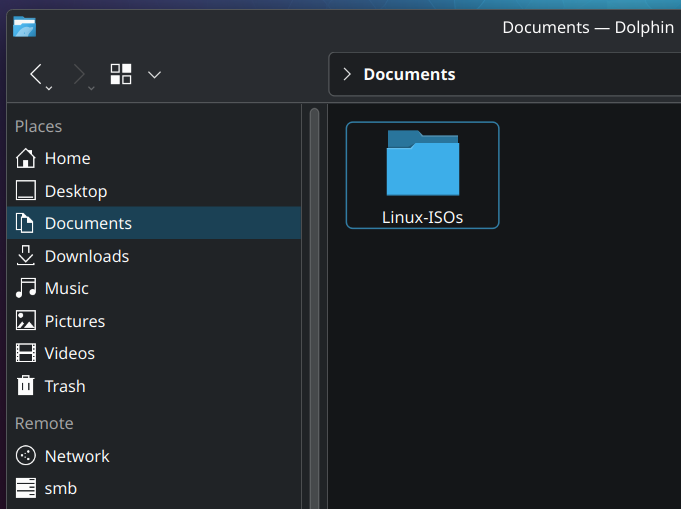
I've been flashing my USB often enough that it's now worth it to keep all my ISO's neatly to use them when I need them. I plan on buying 10 USB sticks to just have ready when ever I need a specific version.
I'm visiting family now, so time to upgrade their Linux Mint to Kubuntu
Sure.
But that's limited to SATA 3 speeds. A "mere" 600 MB/s. Not to mention SATA SSDs often can't sustain their theoretical maximums.
USB3.2x2 can do 2500 MB/s, and with heatsinks on an NVME drive you can actually reach and sustain that transfer speed.
When you're moving more than 500 gigs of something, or if you move ISO sized things often, it's really nice.
When I occasionally have to write an ISO to usb for macOS or when ventoy for some reason wont work, I get annoyed at how I actually have to wait a bit, even though my thumbdrives aren't slow.
They're just not NVME with a heatsink fast. I've gotten used to moving ISOs around like they're text files.