171
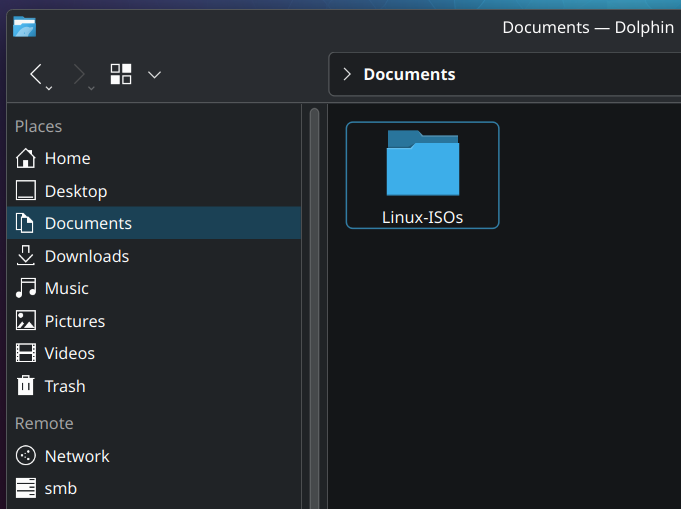
Installed Linux for the fist time in Feb, I've now started saving ISO's
(media.piefed.social)
So it begins.
I've been flashing my USB often enough that it's now worth it to keep all my ISO's neatly to use them when I need them. I plan on buying 10 USB sticks to just have ready when ever I need a specific version.
I'm visiting family now, so time to upgrade their Linux Mint to Kubuntu
If you're wanting to use software that's most easily available on different distros, why not just use Distrobox? If you are just wanting to change the UI, why not just switch DEs? If you really need to be able to randomly switch away from/to system level differences, what are you doing? What would necessitate that?
This is a phase that most Linux enthusiasts go through at some point. It takes time to understand what a distro really is.
People see distros as being much more different than they really are because of the default settings between distros being so different from each other.
At the end of the day a distro is basically just a way of choosing which group of people you want to trust to package software for you.