171
Installed Linux for the fist time in Feb, I've now started saving ISO's
(media.piefed.social)
So it begins.
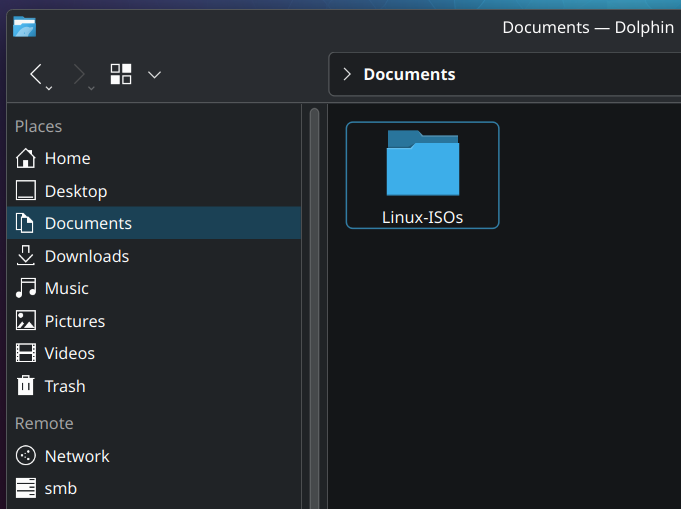
I've been flashing my USB often enough that it's now worth it to keep all my ISO's neatly to use them when I need them. I plan on buying 10 USB sticks to just have ready when ever I need a specific version.
I'm visiting family now, so time to upgrade their Linux Mint to Kubuntu
Stability over everything is pretty awesome.
I think that term gets confused frequently in this context. Stability as the Debian team likely uses it means mostly static APIs. Meaning a stable interface to develop software against.
The way the users mostly understand it means stable software, no major bugs or crashes.
And while those two are linked, they're not the same. Anecdotally, I've used Arch for over 10 years and had only three breakages. Two because I forgot to check for manual intervention before upgrading and one because the battery of the laptop died during an upgrade. All were easily fixed from a live environment, no reinstall necessary. Yes, there were bugs and even crashes in software, but those were upstream issues. I admit that's not a distinction a user is likely to make. I still consider Arch the most stable distro I've ever used.