171
Installed Linux for the fist time in Feb, I've now started saving ISO's
(media.piefed.social)
So it begins.
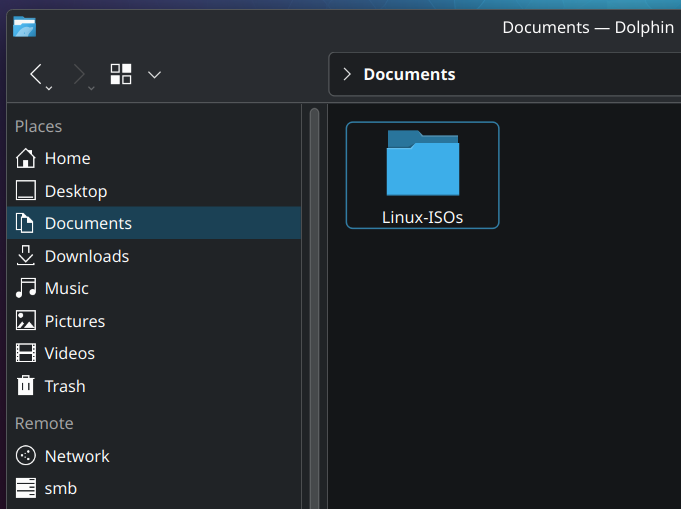
I've been flashing my USB often enough that it's now worth it to keep all my ISO's neatly to use them when I need them. I plan on buying 10 USB sticks to just have ready when ever I need a specific version.
I'm visiting family now, so time to upgrade their Linux Mint to Kubuntu
Ugh... why? I mean it's a fun process to distro hop and better understand the different package managers, boot process, default services, etc but beyond that I'm confused at what the point is.
FWIW one can distro hop "virtually" in minutes using containers via Podman or Docker (or even QEMU to be more isolated) with images that do have a window manager, e.g. https://docs.linuxserver.io/images/docker-webtop/ provides Alpine, Arch, Debian, Enterprise Linux, Fedora and Ubuntu with i3, KDE, MATE or XFCE. Switching from one to another takes minutes (basically download time of image content) and if you mount the right directory you can even use your own content for your tests.
Edit : if one wants to install nothing https://distrosea.com/ is quite neat but it's online.