125
Ford Will Take $19.5 Billion Hit as It Rolls Back E.V. Plans
(www.nytimes.com)
Discussion of climate, how it is changing, activism around that, the politics, and the energy systems change we need in order to stabilize things.
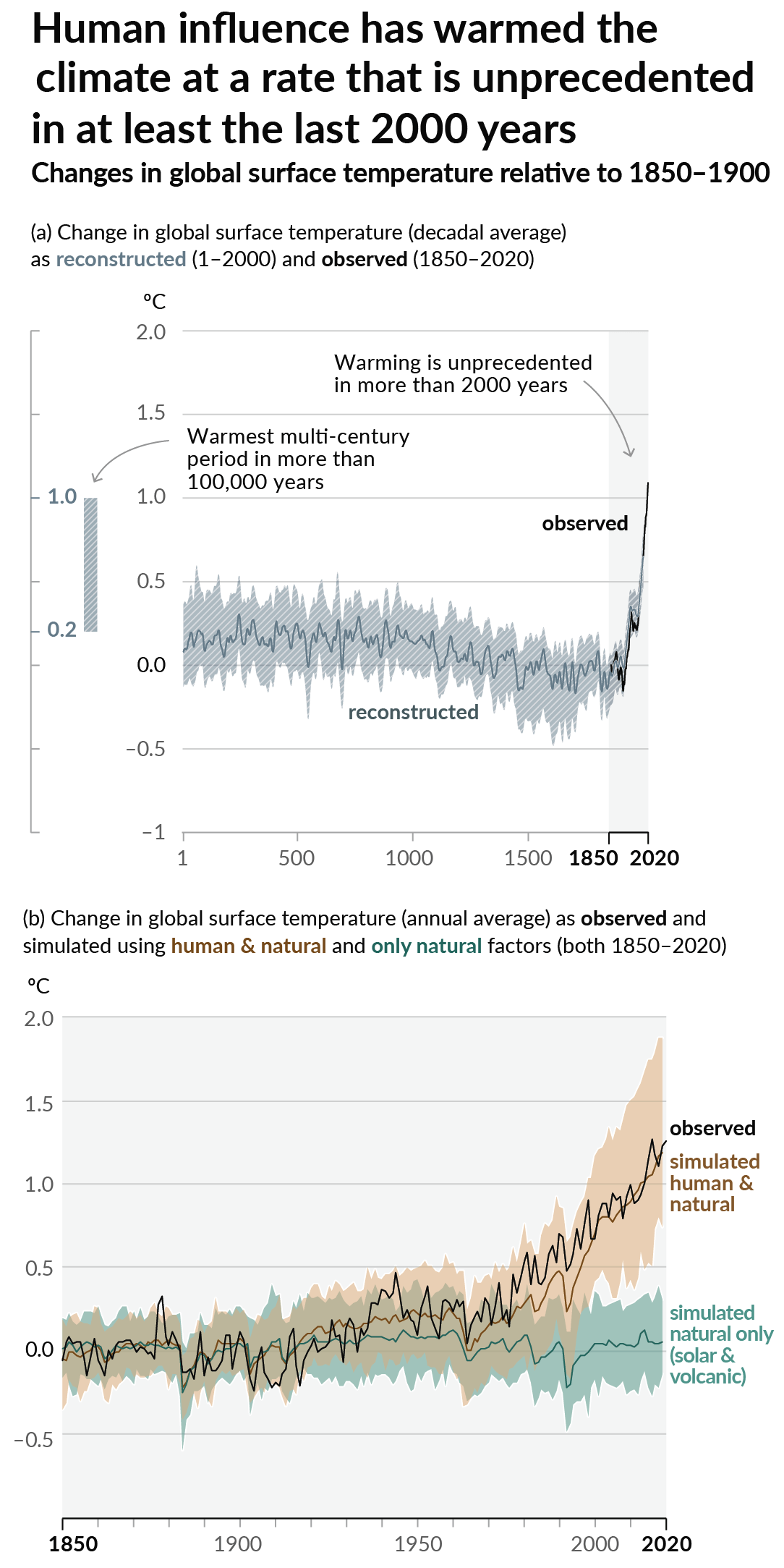
As a starting point, the burning of fossil fuels, and to a lesser extent deforestation and release of methane are responsible for the warming in recent decades:
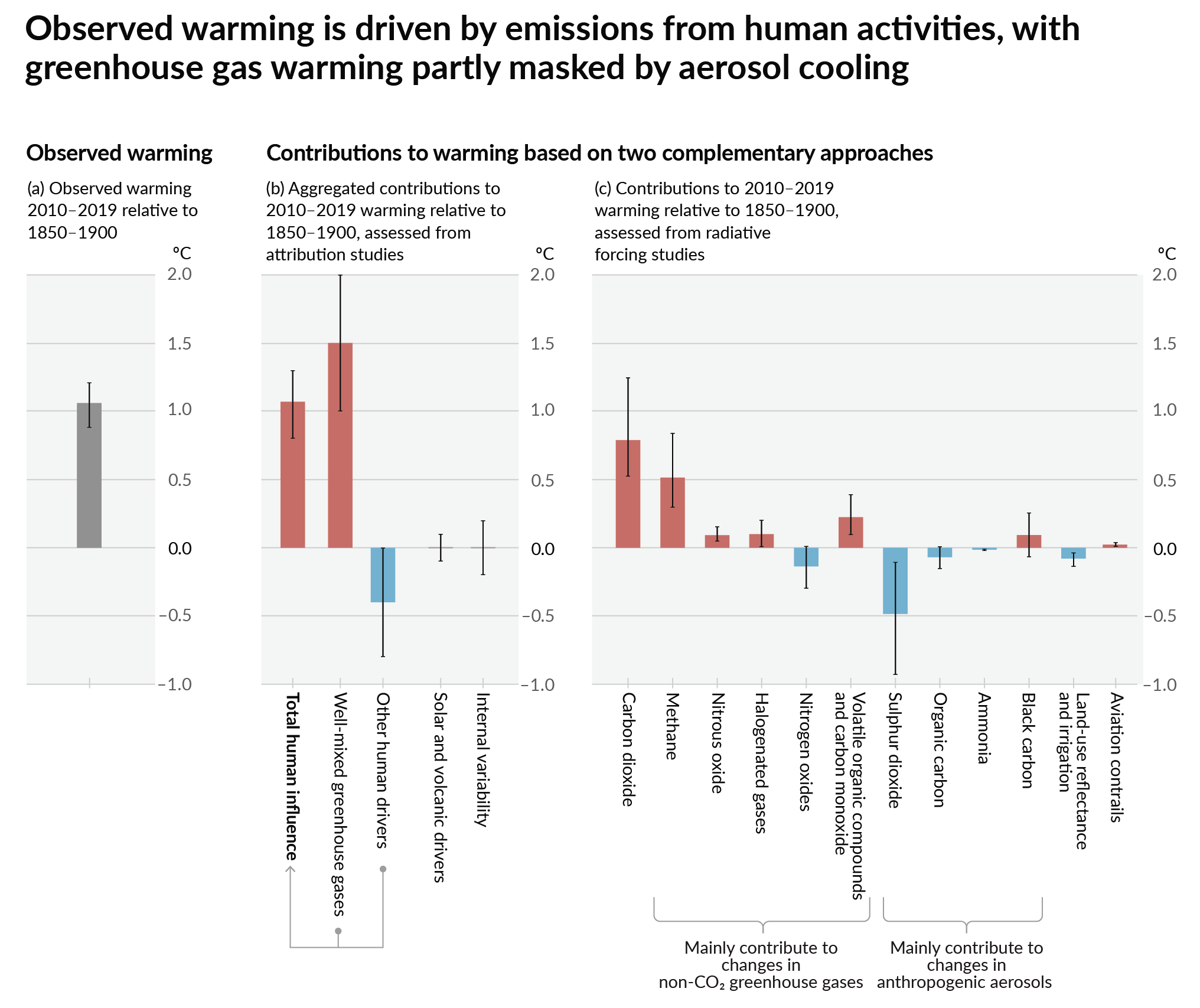
How much each change to the atmosphere has warmed the world:
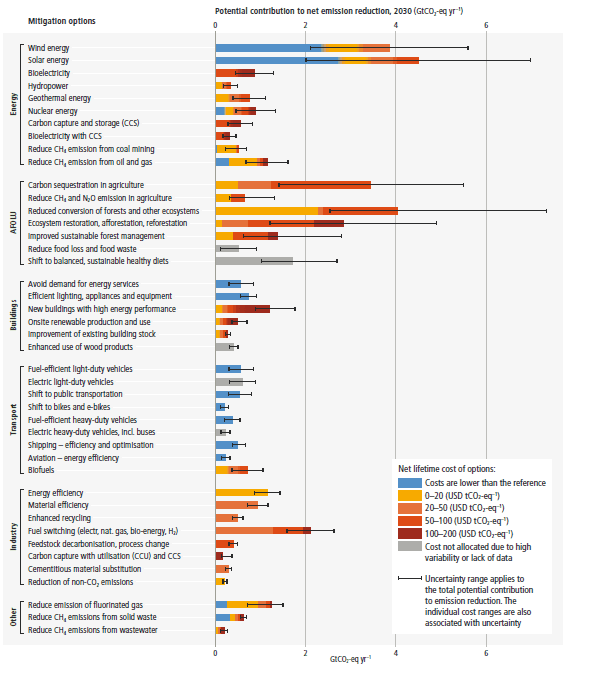
Recommended actions to cut greenhouse gas emissions in the near future:
Anti-science, inactivism, and unsupported conspiracy theories are not ok here.
LFP batteries are cheaper. Makes me wonder if they could increase their profit margins and lower the prices by simply switching existing vehicles to LFP. Trying to remember how many EVs ford makes — two? Mustang SUV and EV Truck is all I can remember.
No one is shipping small cars in the US except one mini and one VW. Ford doesn’t even ship sedans anymore. This is really going to bite them when they realize we’re in stagflation and no one can afford expensive cars or expensive gas anymore. Does Ford even have a small car in another market they could bring here? Or will they be forced to slap their badge on someone else’s product?
Edit: Just read they are revising it to add a gas generator. Thats neither cheaper, nor is it going to sell any better.
https://www.engadget.com/transportation/evs/ford-is-rebooting-the-f-150-lightning-as-an-erev-with-a-gas-generator-222529768.html
LFP are still heavier for the same energy.
A small engine would replace most of the batteries in a plug-in hybrid. Complexity makes initial cost a wash, and will be much lighter.
Especially for customers looking to haul or tow, this could be a good thing if done right.
This would result in the battery being fully charged and fully depleted on a regular basis. Which is what causes batteries to degrade overtime.
Hybrid batteries don’t last very long for this reason. So they increase the amount the owner spends on batteries in addition to the gas drivetrain maintenance and common failures.
Hybrids have all the negatives of gas and electric without the positives.
The technology exists that address your concerns but it’s common practice to dump costs on consumers these days.
Ooh, correct there on the 8 year mark, I was wrong! Until recently I'd not met a main stream hybrid without a 10-year powertrain warranty. Guess they were just going above and beyond.
That being said, I've also yet to meet a hybrid owner who's battery didn't make it a full 10 years or more. Those people do, I'm sure, exist, and the batteries do age out. A person I know had a (older than 10 year) cold-winter HV battery too low to start ICE scenario, but that will happen with any vehicle if any battery ages and is cold. (As hybrids use the HV battery to start the engine, not the 12v battery.) Anecdotes are only as good as the statistical input data, however.
Yes, but. Modern hybrids have electric oil pumps, and unlike traditional ICE engines that use a starter motor that engages the flywheel with a solenoid, they just gently spin the engine with power from one of the motor-generators (on Toyota-style prius/camry/etc the most common design). The engine can be gently spun up to speed and then spark applied. Much more gentle than traditional start-stop, even from those cars that have that annoying engine-stop-start feature. They also use very low-weight oil to reduce friction. They manage the engine heat to ensure everything stays at optimum temperatures. They can switch between the Atkinson cycle and Otto cycle as needed for both efficiency and heating. In very cold weather, for example, the engine will run more frequently to keep it warm (as well as the passengers.) And again, they never reach the load an ICE-only vehicle hits, except some edge-case scenarios like an hour-long mountain climb that depletes the HV battery and the engine has to rev higher to compensate.
Only on Subaru boxer WWII engines though, although they were probably a bad example, as there are many other ICE manufacturers that do not suffer their fate, ICE-only or hybrid. I suppose that means stay away from Subaru hybrids?
Hey, props to that real-world knowledge, as I said previous, I'm sure there are cases where that does happen. Maybe I live in a bubble of successfully-lived hybrids. The people I know also properly perform regular maintenance, so maybe that is an additional factor. I bet you've seen some horror stories.
Vehicle owners are fickle in general, like new cars, and don't like high repair bills or regular maintenance. Most never keep a car for 8 or 10 years. Either way that will always happen with any type of vehicle. For anyone worth their salt, a refurb battery can be purchased for much less than OEM new, and often the biggest issue is corrosion or some dead cells in a pack, both of which can be mitigated. There are also hybrid shops that can refurb the existing battery. All sorts of options. I get your point though, one is maintaining two systems, not one, and with all the falsely-inflated prices of vehicle parts since the pandemic, anything is expensive.
Hybrids (most) have one drivetrain that is shared across power sources/sinks. Battery is never fully depleted, nor fully charged, as mentioned previously. In fact, the battery can not ever be fully depleted, as it is the power source used to start the engine from a cold-start. (The little status indicators on the dashboard, if one enables them, do not even show the true state of charge, they just show a feel-good full/empty based on the current battery parameters.) Even stopping an engine on a hybrid is a much gentler affair than a pure ICE. The engine gently spins down and the power is absorbed into the hybrid system. Slightly rotated if necessary to make start easier, and then it sits and waits.
Other fun things, a friend with a 2004-2021 hybrid never had to replace their brake pads once, as the friction material never degraded enough due to regen braking. Brakes are cheap, of course, but a nice perk.
But don't take my word for it:
https://www.greencarreports.com/news/1099135_toyota-prius-taxi-logs-more-than-600000-miles-batteries-last-apparently-video
https://www.detroitnews.com/story/business/autos/ford/2019/09/06/road-test-2012-ford-hybrid-new-york-taxi/2142119001/
https://www.electricbike.com/the-curious-case-of-the-600000-mile-hybrid-electric-taxi/