689
you are viewing a single comment's thread
view the rest of the comments
view the rest of the comments
this post was submitted on 30 Apr 2026
689 points (98.0% liked)
Climate
8669 readers
244 users here now
Discussion of climate, how it is changing, activism around that, the politics, and the energy systems change we need in order to stabilize things.
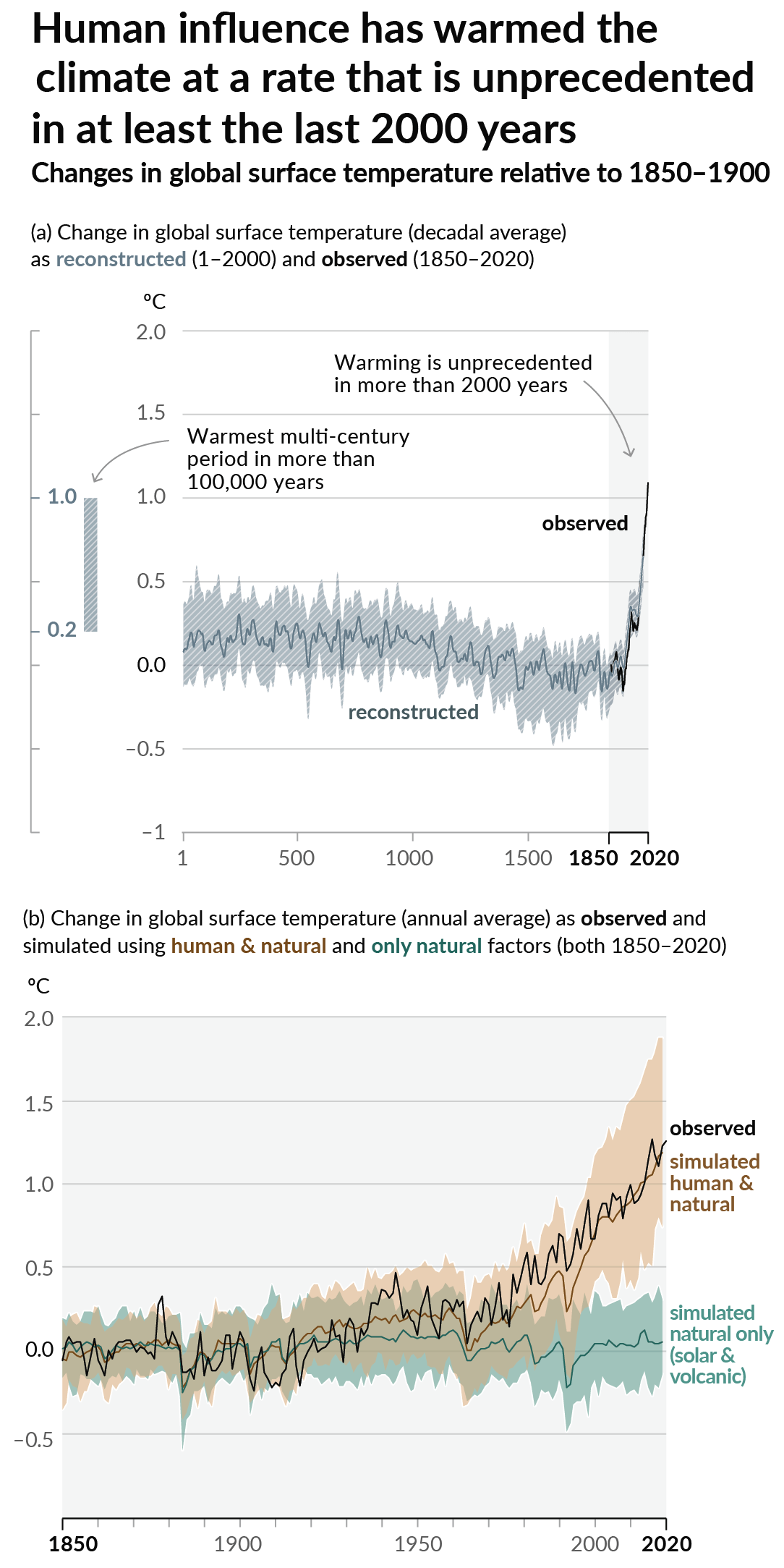
As a starting point, the burning of fossil fuels, and to a lesser extent deforestation and release of methane are responsible for the warming in recent decades:
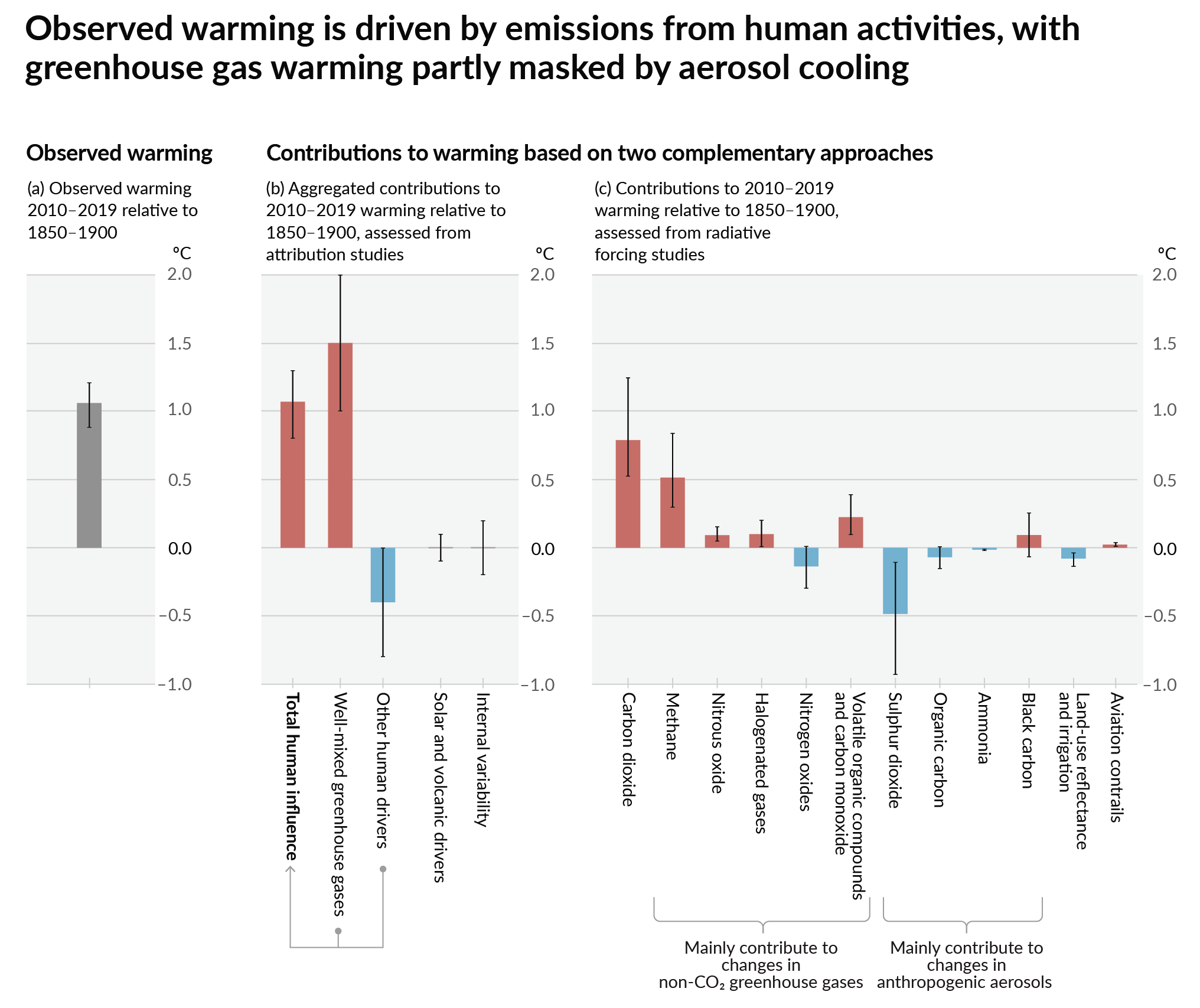
How much each change to the atmosphere has warmed the world:
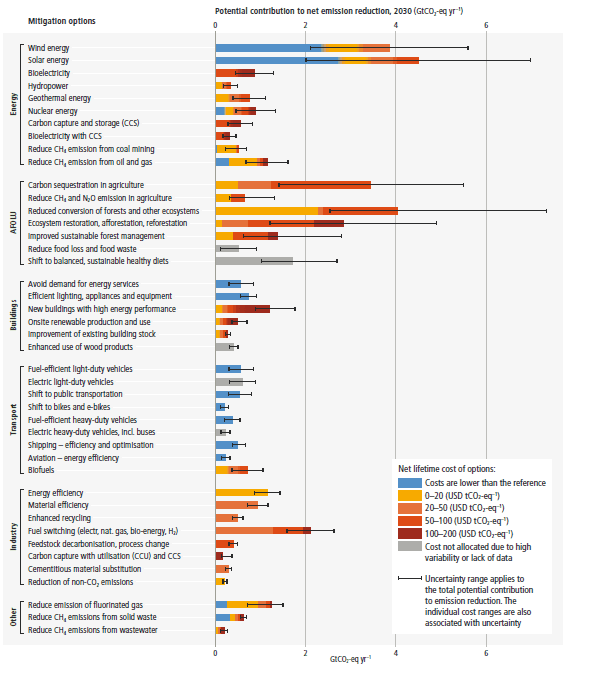
Recommended actions to cut greenhouse gas emissions in the near future:
Anti-science, inactivism, and unsupported conspiracy theories are not ok here.
founded 2 years ago
MODERATORS
A lot of the “meat imitation” products that got lots of press and media attention were highly engineered products with a lot of unique processes involved, as well as a lot of unique technologies. The raw soy protein input wasn’t the expensive part, it was all the additives to make it more “meat like” that required expensive new production lines, in addition to all the marketing and R&D (paying off the VC investors who funded it really).
There is also the grocery store distribution side of things. These products were niche and didn’t sell particularly large volumes, so grocery stores marked them up a lot to justify the opportunity cost of using shelf space on them rather than something that would have sold at a higher volume.
The reality is, you can get plenty of cheap as hell meat substitutes, they’ve been around for decades (millennia really), you just have to go to speciality stores, or order them online, where enough volume is sold to allow for low margins. meat imitations sold as speciality products in mainstream stores are expensive. An example of a substituted as supposed to an imitation would be textured vegetable protein (often abbreviated to TVP)which can be used in the same way as ground meat. It won’t be the same, you will be able to tell the difference, but, it won’t be worse(assuming it’s seasoned properly) just different, like substituting ground pork for ground beef. And TVP can absolutely be found for much cheaper than ground meat, if purchased from the right place.
Seconding the comment on TVP. It's shelf-stable, cheap, and can take the place of ground meat in anything where it's there for the texture, not the flavor. I like it in cottage pie, pasta sauce, and mixed into macaroni and cheese.