12
Why the EV Revolution Just Stalled - Patrick Boyle
(www.youtube.com)
Why the hell would I wanna watch a video from some Irish hedge-fund-manager/YouTuber explaining his pet theory that 'industry moving to EVs rapidly is a collective hallucination', and how on earth is this 'climate news'?
This is shite.
Well, i live in a small town on Brazil northeast, everyday i see more and more eletric cars in the streets, even in the company i work they bought two.
Idk if this is local problem or is just u.s. vehicles, but the BYD cars are in constatly growing here and in neighbor towns on the region, even outside as my friend who travel to another state to see his brother told me.
Getting rid of diesel engines in trucking, agriculture and cargo ships is a hard engineering problem. Sodium might be cheap, but 40 MJ/l is a compelling argument.
It is a US problem. They cut subsidies, do not let Chinese EVs in the market and Trump killed the laws of a lot of US states to end ICE sales 2035. The rest of the world sees higher EV sales. That is very much including the EU. They get cheaper every year and combustion engine sales are falling already.
EVs in the US were introduced by Musk. He convinced his disciples EVs should be expensive and full of bullshit gadgetry. Various virgins moved from lining up for iPhones to lining up for Teslas. Then, he killed the brand with his Nazi beliefs. But the EV market in the US was saturated anyway. These are not practical vehicles for a second world country with poor infrastructure and governments corrupt with gas and oil.
With petrol subsidized so heavily, and the poor reliability of EVs, people will stick with gas cars.
Chinese EVs would just flood the market with poorly made cheaper vehicles, much like the 60s and 70s where cheap gas cars lasted 5 years, if you were lucky.
I mean cars are a bit of an impractical transportation method in general but I don't think EVs are much less practical in the US than any other vehicle nowadays. They're just too expensive for our crumbling middle class.
Even in parts of the country that are more receptive to future tech, the reality of range and lack of working charging infrastructure keeps coming back. Not range anxiety but range limitation. I have some friends that gave it a good college try and I mean real hard. It has complicated their lives too much. Having to get hotel rooms or waste time stopping to recharge and add hours onto trips. They try to look at it like pretend 1950s traveling and try to find places to go and things to do while the car recharges, but it wears on them. They don't plan on buying another EV, whenever they can afford to buy another car.
Discussion of climate, how it is changing, activism around that, the politics, and the energy systems change we need in order to stabilize things.
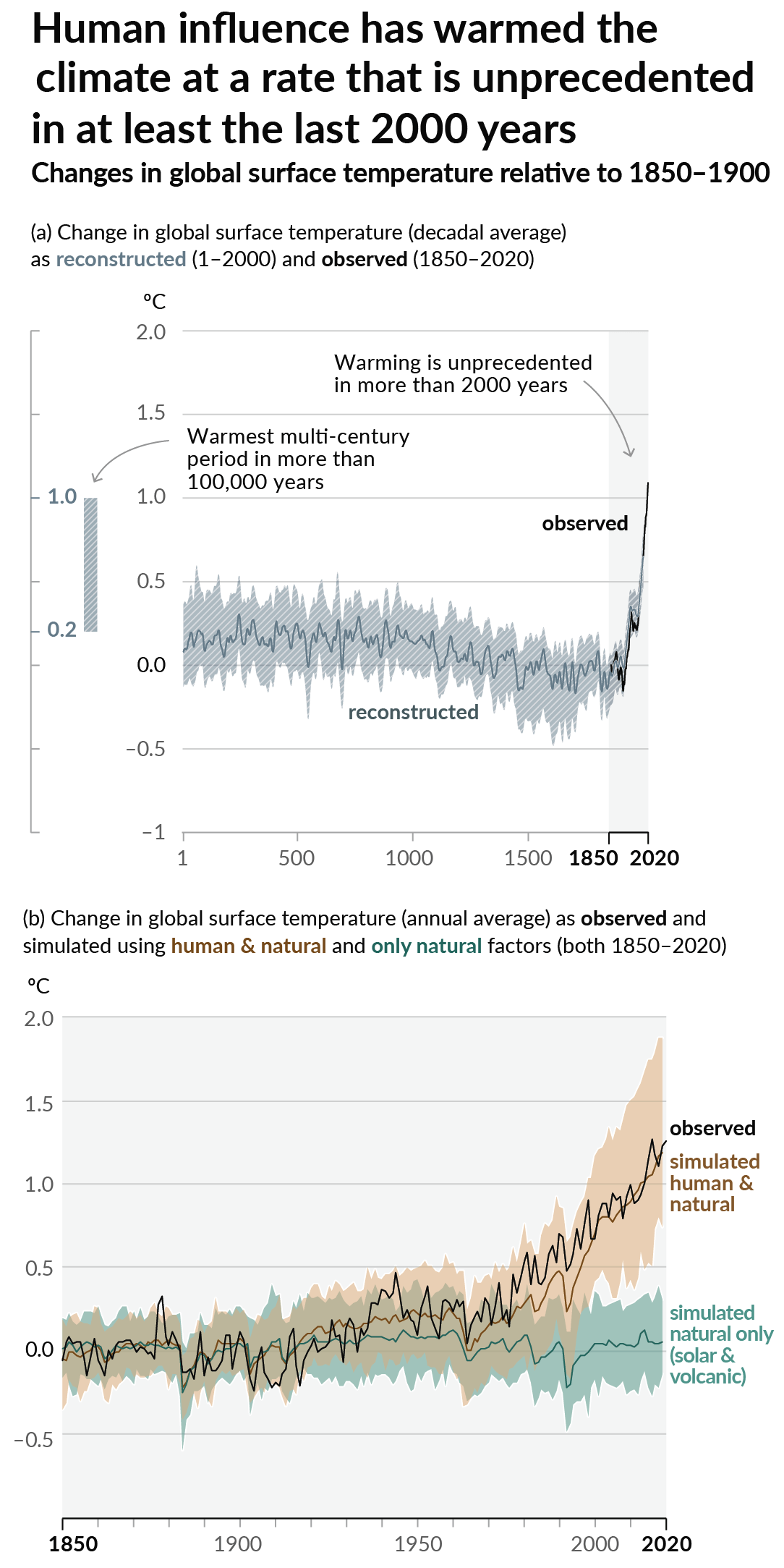
As a starting point, the burning of fossil fuels, and to a lesser extent deforestation and release of methane are responsible for the warming in recent decades:
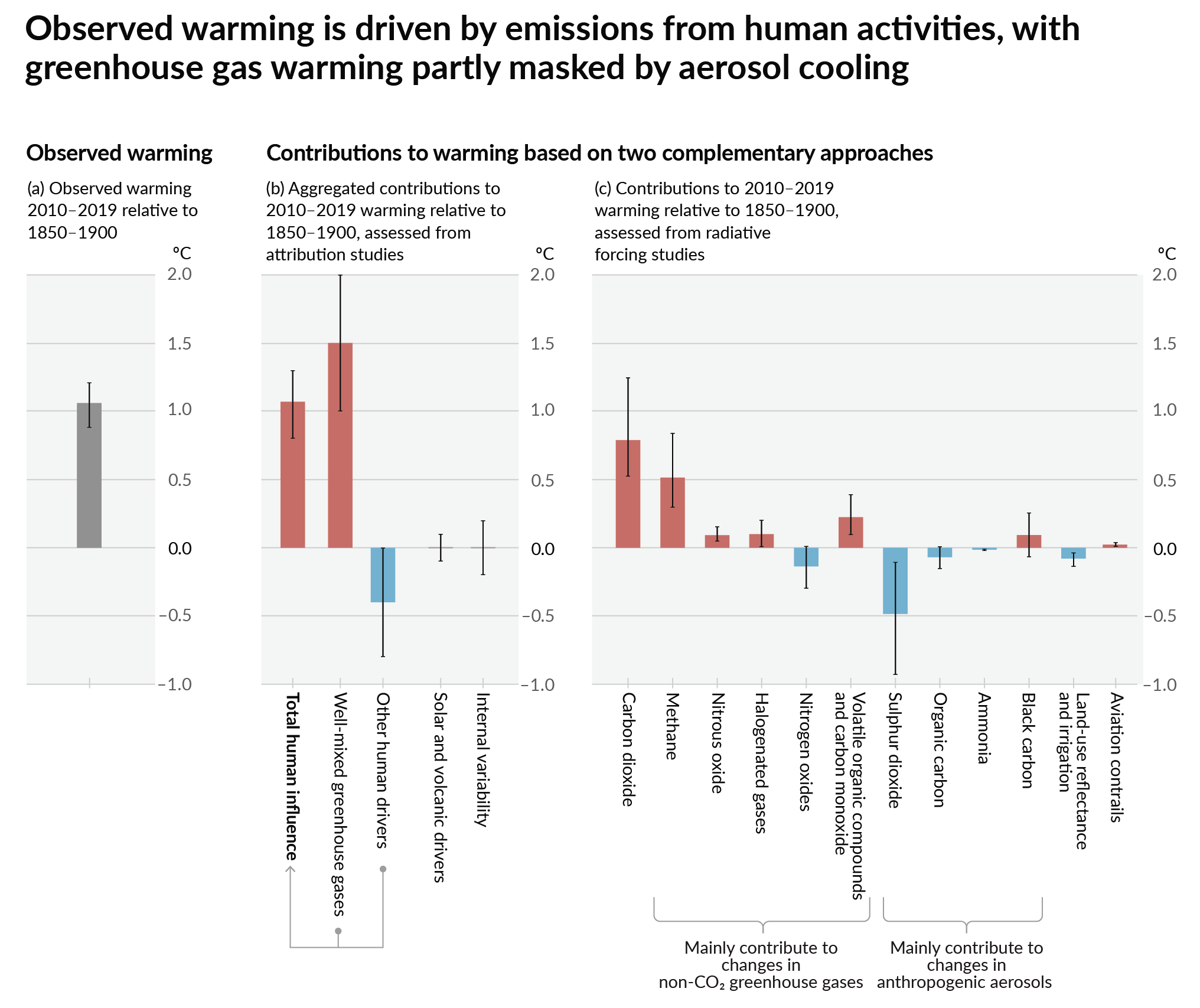
How much each change to the atmosphere has warmed the world:
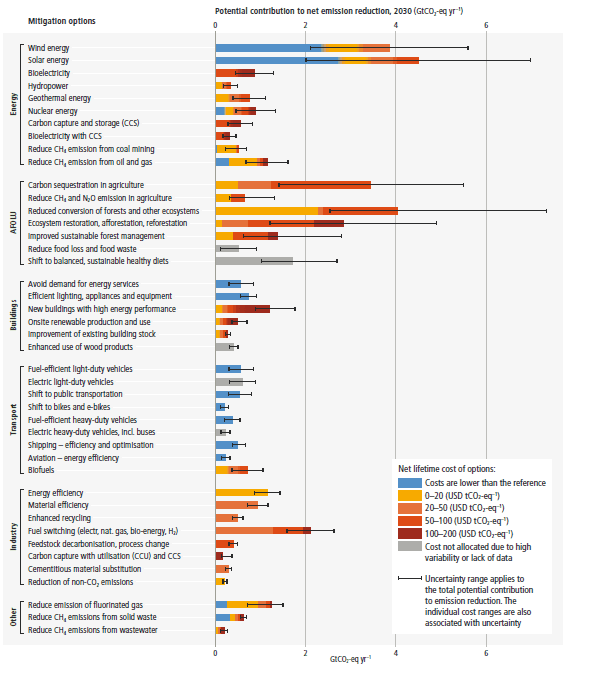
Recommended actions to cut greenhouse gas emissions in the near future:
Anti-science, inactivism, and unsupported conspiracy theories are not ok here.