1
IPF Rule changes (Jan 2026)
(www.powerlifting.sport)
I don't know if it's right to say that they misunderstand. More like their hands are forced. When so much of what people consume increasingly comes from generative models, then the absence of your own culture from the training data means that it disappears altogether. Preserving Quebec culture is often one of the most important topics to show up in their provincial/local leadership races.
It's always good to be skeptical. But skepticism isn't "no, this is false". It's "how do we know if this is true?"
This is rsync. The "piss" refers to AI code contributions.
You can. That's why these drugs are so hyped up right now. The problem with these drugs isn't ineffectiveness. It's your dependence on these drugs to keep your diet in check and having to deal with its side effects.
in the short term, it looks like most of the cars shipped under the quota will be Teslas.
Just what we needed (:
We get tons of link posts from both HN and Substack. Most of them end up with positive net votes.
The point is to hopefully get people to put some more thought into the position they hold and what they argue against so they can make stronger arguments. Contrary to popular belief, religious folks do listen to logic (at least, in my experience). But those who argue with them don't argue from a place of logic either, so obviously they're not going to be receptive.
Yes, I acknowledge that it isn't malicious software. That's why I compare it to a zip bomb. The important part isn't "software". It's the "malicious". None of what Obelisk said relies on this thing being software.
You can't outrun a bad diet
The error rate is also based on that assumption. If the carbon suddenly popped into existence 6000 years ago, then that violates the assumption.
I heard (source may not be reliable) that one of the goals of this project is to better understand the effects of various drugs on people, so they would still need to know what everyone's taking.
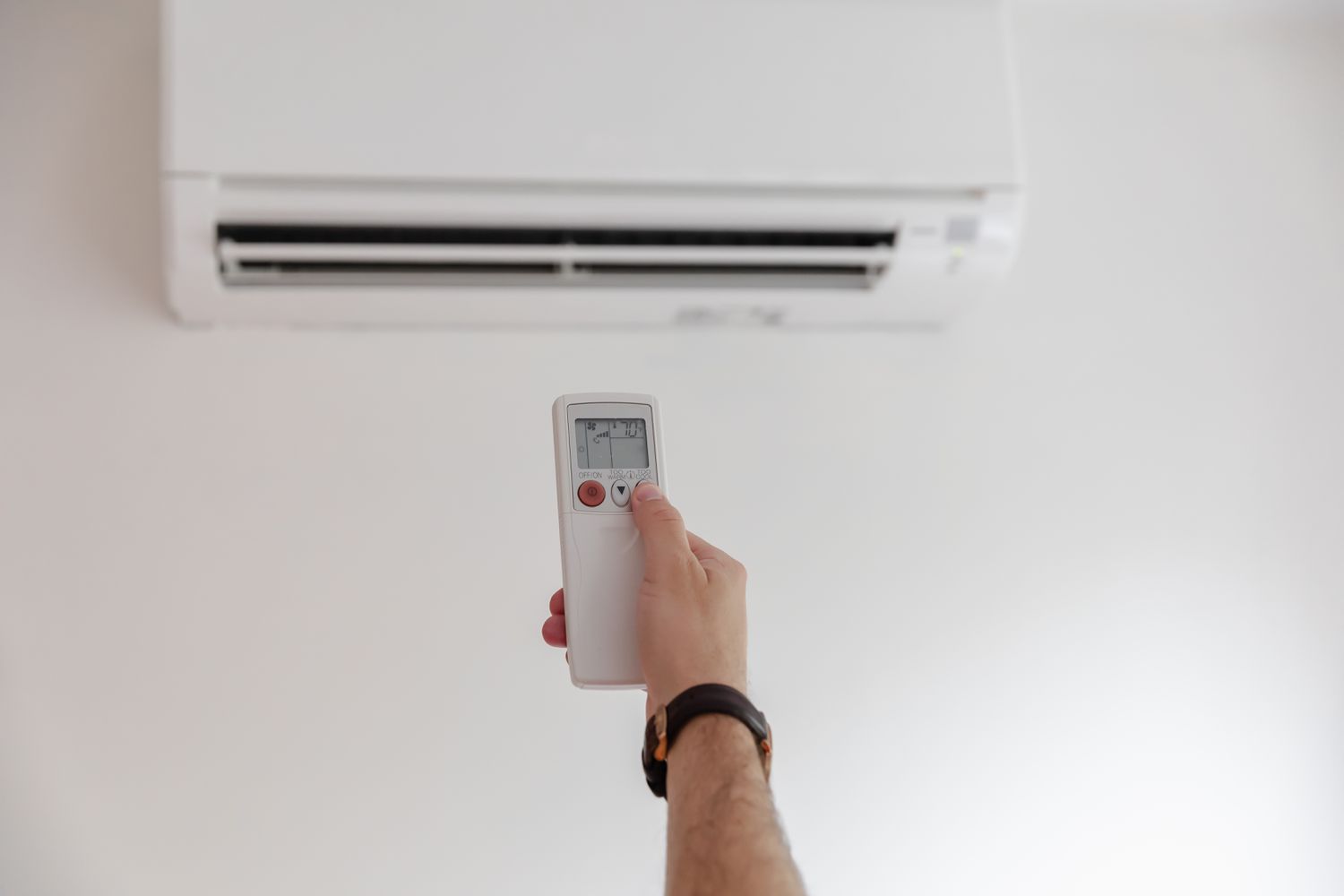
Say it's 25C outside and 30C indoors. I want to bring the indoor temp down to 25C, but opening all the windows barely makes a dent. Does it make sense to have the AC turned on and set to 25C while I have the windows open? Or should I be closing them anyway?
I was looking up when babies can safely start eating untoasted bread and one of the images led me to this website that sells... stuff? Are they selling me the question? Who knows.
Then if you scroll down to the related products, you can buy a basketball club for $30, down from $15!

I'm guessing this is some phishing website looking to steal credit cards. I also still haven't found an answer to my original question.

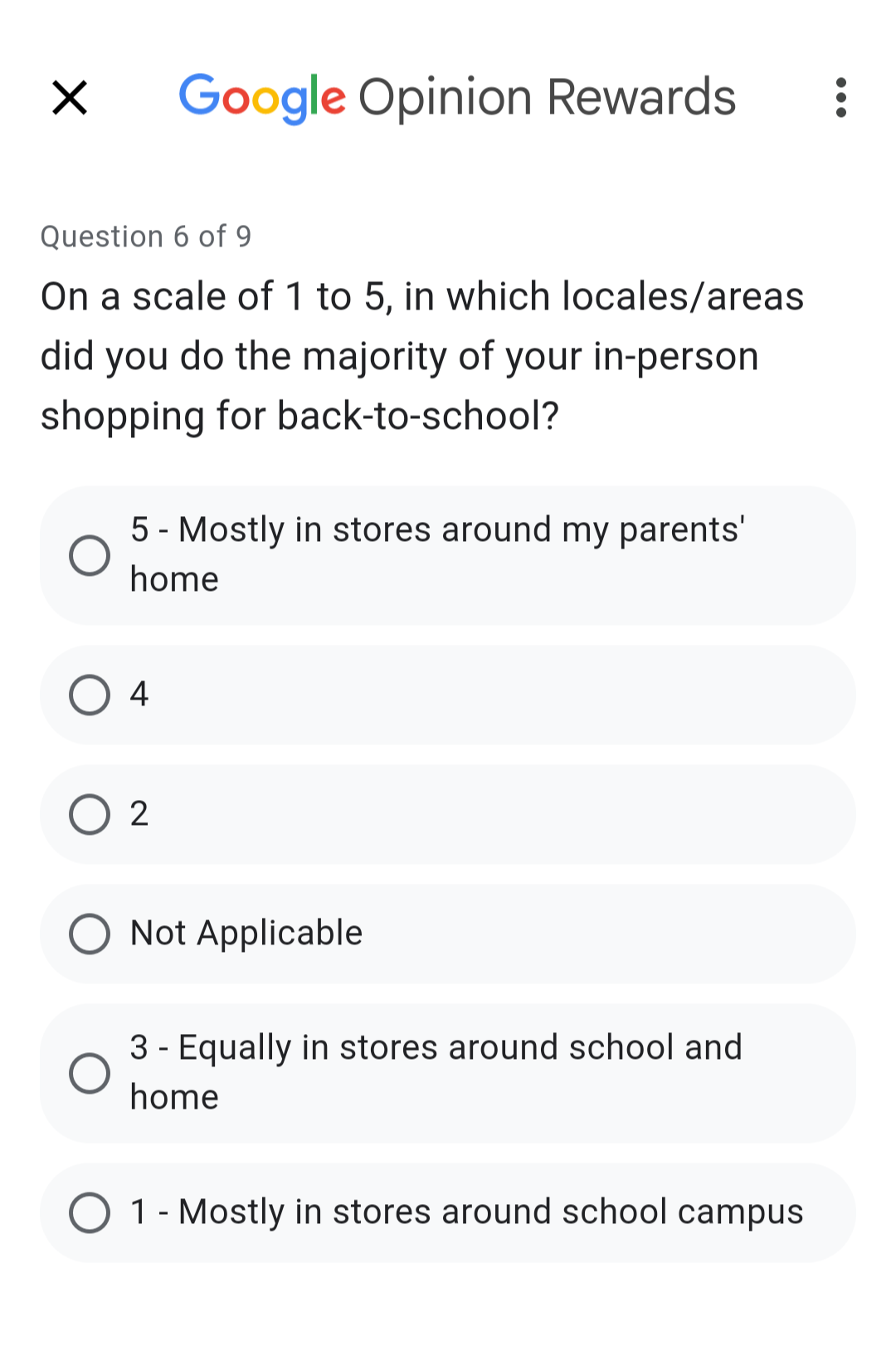
Am scientist (not in life sciences). If someone showed me this image, I'd have absolutely no idea what I'm looking at. So that's one for the 10%, I guess.