26
10
The original was posted on /r/dataisbeautiful by /u/Firm-Apartment1003 on 2026-04-18 02:32:51+00:00.

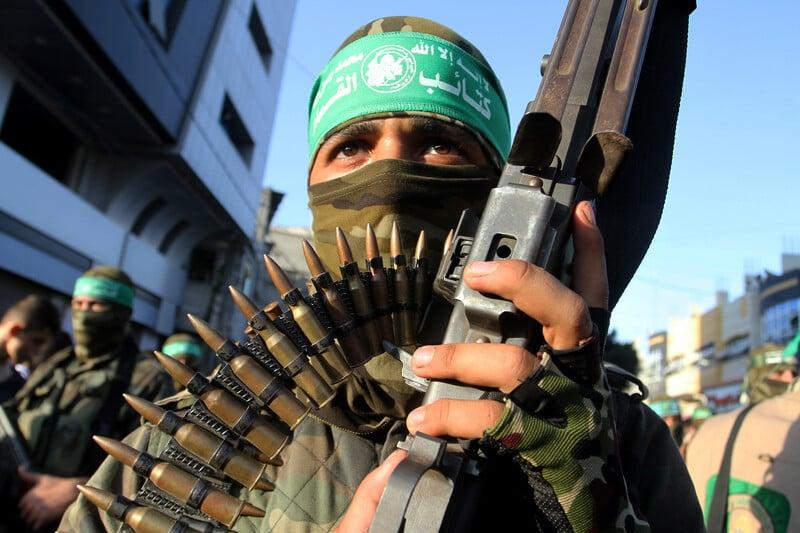
Israhell n'a pas "créé le hamas" debunkage d'un fakenews circulant à l'ouest.
Debunking the lie that “Israel created Hamas” | The Electronic Intifada
https://electronicintifada.net/content/debunking-lie-israel-created-hamas/51350
> Myth was insinuated by Israeli intelligence and cemented by resistance faction's rivals.
#hamas
#stopIsrahel
#resistancePalestinienne
@palestine@lemmy.ml
@palestine@tagpush.app
@gazanotice
This site is geared towards Malaysians, but is not restricted to Malaysians or Malaysian topics. All are welcome!
Signing up is easy. No email address needed!
Just get along and respect each other and we'll be fine.
Malaysia is a multiracial country and sometime we tend to rub shoulder with each other, sometime stuff getting heated up. Argument is fine, disagreement is fine, as long as it stay civil and no one get banned. Bigotry include but not exclusive to: Racism, Sexism, Homophobia, Transphobia, Xenophobia, and so on.
Do not post, share, or distribute any pornographic material, either here or posting to other instance using account made from here. NSFW discussion(in words only) is allowed, and should be marked as NSFW.
Do not spam this Instance with irrelevant shitpost or ads. If your intention of creating an account or community is to flood this place or another instance with shitpost, rage bait, or content for the purpose of cyberbullying, then it break this rule, and will be banned without warning.
All the rule above also extend to the username, community name, banner, and avatar. Your action that breach above rule on another instance will count toward violation as well.


